
How Sustainable Outdoor Furniture is Redefining the Way We Live Outside

Sustainable outdoor furniture is redefining the way we live outside, and how sustainable outdoor furniture is redefining the way we live outside by using eco-friendly materials and innovative designs. It’s reducing waste, promoting durability, and enhancing our well-being. In this article, we explore the key trends and benefits of embracing sustainable outdoor furniture for a better outdoor living experience.
Key Takeaways
-
The demand for sustainable outdoor furniture is growing as consumers prioritize eco-friendly materials and designs, significantly reducing environmental impact.
-
Innovative materials like recycled plastics and FSC-certified wood are reshaping outdoor furniture, enhancing durability while promoting a circular economy.
-
Design trends for 2026 emphasize modularity, earthy aesthetics, and biophilic elements, encouraging a deeper connection with nature and promoting well-being.
The Rise of Sustainable Outdoor Furniture
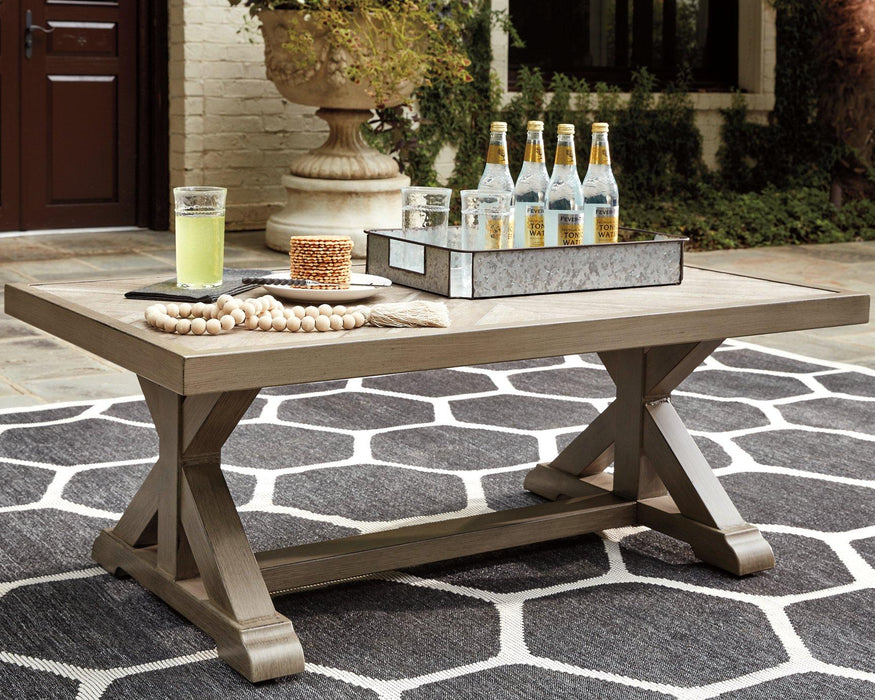
The demand for eco-friendly outdoor furniture is on the rise as consumers seek to create comfortable and stylish outdoor spaces. With growing awareness and concern for the environment, the landscape of home and garden design is changing. Traditional outdoor furniture often relies on non-renewable materials and harmful chemicals, contributing to pollution and natural resource strain.
Sustainable outdoor furniture, on the other hand, embraces renewable and recyclable materials, such as FSC-certified wood and recycled plastics, which reduce deforestation and landfill waste. Supporting sustainable brands drives the outdoor furniture industry towards eco-friendly practices and promotes innovation.
Embracing a circular economy in outdoor living spaces entails keeping materials in use and out of waste streams. This approach not only minimizes environmental impact but also fosters a sense of responsibility and mindful consumption among consumers.
Environmental Awareness
The rising interest in sustainable outdoor furniture reflects a broader social movement towards eco-conscious living. Eco-friendly outdoor furniture promotes healthier living environments by using non-toxic materials, which are safer for both people and the planet. This shift towards sustainability is not just beneficial for our health but also helps reduce carbon emissions by incorporating responsibly sourced materials, such as FSC-certified wood.
Transparency from brands indicates a commitment to sustainability, fulfilling consumer demand for eco-friendly practices. Choosing sustainable outdoor furniture significantly reduces one’s ecological footprint and contributes to a more sustainable future.
Benefits of Sustainable Materials
Sustainable outdoor furniture often features materials like FSC-certified wood and recycled plastics, which play a crucial role in reducing deforestation. FSC certification ensures that the timber comes from responsibly managed forests, providing environmental, social, and economic benefits. By choosing FSC-certified wood, you support forestry practices that are beneficial for the environment. These practices help protect habitats and conserve water sources.
Furniture made from sustainable materials tends to offer superior durability while minimizing environmental impacts. Promoting resource efficiency by reducing the need for frequent replacements is vital in sustainable outdoor furniture, ensuring long-lasting enjoyment and reduced waste. Additionally, this furniture is highly durable, contributing to its sustainability.
Reducing Landfill Waste
Sustainable furniture design actively promotes recycling initiatives to lessen the amount of waste sent to landfills. Materials essential in sustainable furniture to help reduce landfill waste include:
-
Recycled plastics
-
FSC-certified wood
-
Metals such as aluminum and wrought iron. Incorporating these practices and materials significantly contributes to reducing landfill waste and conserving natural resources.
The use of recycled materials not only minimizes waste but also supports a circular economy by keeping materials in use and out of waste streams. This approach helps to reduce waste, the environmental impact, and promotes eco-conscious living among consumers.
Innovative Materials in Sustainable Outdoor Furniture
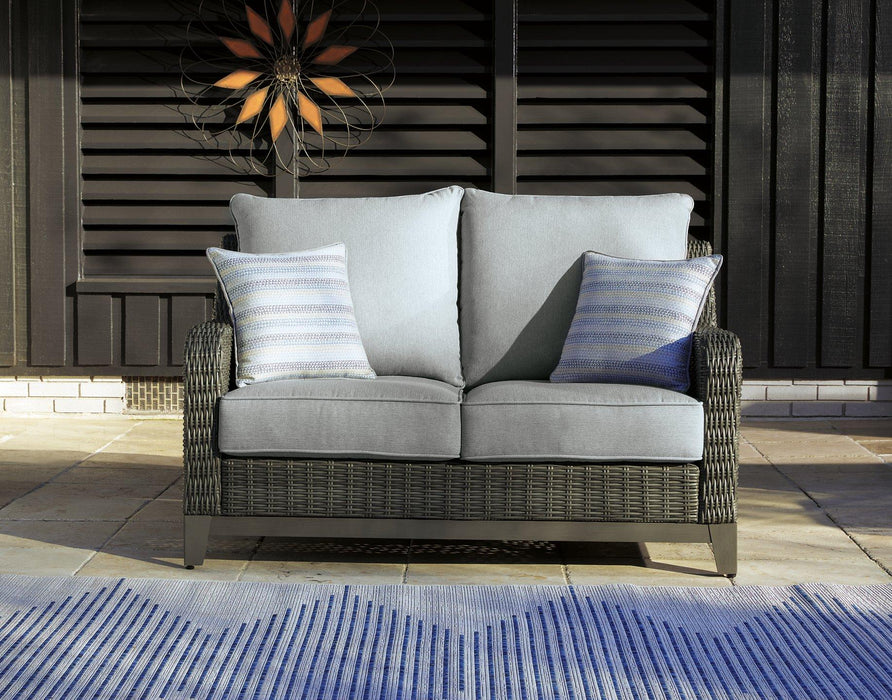
Sustainable outdoor furniture is increasingly made from innovative materials that minimize environmental impact while enhancing durability. Materials like recycled plastics and composite materials, which combine recycled plastic with wood fibers, are becoming more common in outdoor furniture. These weather-resistant materials offer the dual benefits of sustainability and practicality, ensuring that furniture pieces are both eco-friendly and long-lasting.
Natural fabrics like linen, olefin, and hemp provide comfort and are biodegradable, making them excellent choices for sustainable outdoor furniture. These materials withstand outdoor conditions while minimizing environmental impact, contributing to the overall sustainability of outdoor living spaces.
The combination of these innovative materials in outdoor furniture significantly supports sustainability efforts in the furniture industry, promoting eco-conscious living and reducing our ecological footprint.
Recycled Plastics
High-density polyethylene (HDPE) derived from post-consumer waste is commonly used in the production of recycled plastic outdoor furniture. Recycled plastics are increasingly being utilized in outdoor furniture, reflecting a shift towards sustainable materials and practices. The use of recycled materials like HDPE contributes to durability and longevity, making outdoor furniture both sustainable and practical.
Recycled plastic furniture helps reduce landfill waste and conserves natural resources, aligning with the principles of a circular economy. Choosing furniture made from recycled plastics allows consumers to enjoy high-quality, weather-resistant pieces that support environmental sustainability.
FSC-Certified Wood
FSC-certified wood is vital for ensuring that wood products are sourced from forests that are managed sustainably and ethically. This certification ensures that the timber comes from forests that protect habitats, water sources, and the rights of indigenous communities. Using FSC-certified teak in outdoor furniture promotes responsible forestry practices and supports the health of our planet, aligning with the principles of the Forest Stewardship Council.
In addition to environmental benefits, FSC-certified wood offers high-quality materials that are durable and aesthetically pleasing. Choosing furniture made from FSC-certified wood supports sustainable practices and helps reduce deforestation, contributing to a more sustainable future.
Aluminium and Metal Alloys
Aluminum is a lightweight material that is fully recyclable, making it a popular choice for eco-friendly outdoor furniture and aluminum furniture. Aluminum’s recyclability significantly reduces landfill waste and conserves natural resources, aligning with sustainable practices. Additionally, aluminum offers superior durability and weather resistance, ensuring it withstands various outdoor conditions.
Using aluminum for outdoor furniture not only supports sustainability but also enhances the longevity of outdoor living spaces. This material’s weather-resistant properties make it ideal for creating durable and eco-friendly outdoor furniture.
Design Trends in Sustainable Outdoor Furniture for 2026

Innovations such as modular design and nature-inspired aesthetics are redefining outdoor furniture for 2026. The emphasis on sustainability is driving designs that blend functionality with eco-conscious living. Key characteristics of outdoor design trends for 2026 include sustainability, functionality, and aesthetics, creating compelling outdoor spaces that encourage relaxation and connection with nature.
Popular color trends for sustainable outdoor furniture in 2026 include neutral shades such as beige, taupe, and soft greens. The rustic, untreated look is a notable aesthetic feature among new outdoor furniture styles, enhancing the natural ambiance of outdoor living spaces. Selecting outdoor furniture that combines visual appeal with practical use enhances both enjoyment and functionality in outdoor spaces.
Sustainable outdoor furniture trends emphasize cozy, natural, and functional designs that meet the needs of outdoor living, but some may argue that these are just a trend. The integration of aesthetics and functionality creates compelling outdoor spaces that encourage relaxation and connection with nature.
Modular and Multi-Functional Designs
2026 will see a strong emphasis on modular furniture that allows homeowners to customize outdoor arrangements according to their needs. Modular teak furniture embodies the modular design trend, appealing to modern outdoor living. Modular sofa furniture provides the ability to design outdoor areas individually, enhancing personalization for various activities.
The ability of modular sofa systems to be divided into individual elements allows them to adapt seamlessly to different outdoor spaces. This flexibility makes modular designs highly functional and versatile, catering to the diverse needs of outdoor living.
Earthy Tones and Natural Textures
Natural materials and their benefits include:
-
Bamboo and rattan: known to create calming environments that support mental focus.
-
Teak wood: praised for its durability and aesthetic appeal, contributing to relaxation in outdoor settings.
-
Marine-grade polymer: featured in sustainable outdoor furniture in 2026, known for its durability against harsh outdoor conditions.
Earthy tones and natural textures are gaining popularity as key elements in creating serene outdoor spaces. The combination of these materials and earthy tones enhances the overall aesthetic and ambiance of outdoor living spaces, promoting relaxation and well-being.
Biophilic Design
Biophilic design in outdoor spaces will focus on creating a seamless connection between nature and living environments, enhancing overall well-being. Using sustainable outdoor furniture can enhance well-being by fostering a stronger connection with nature, promoting relaxation and mental clarity. This design approach aligns with the growing trend towards eco-conscious living and sustainable practices.
Incorporating natural materials and eco-friendly designs fosters a deeper connection with nature, creating outdoor spaces that are aesthetically pleasing and conducive to mental and emotional well-being.
The Wellness Benefits of Sustainable Outdoor Furniture

Sustainable outdoor furniture contributes to overall well-being by enhancing mental clarity, reducing stress, and promoting relaxation. Furniture made from natural elements can create a calming atmosphere that promotes mental clarity. Nature-inspired spaces provided by sustainable outdoor furniture lead to improved focus and emotional balance.
Incorporating natural materials in outdoor furniture design encourages mindfulness and tranquility. Teak furniture, as part of sustainable outdoor design, bridges modern luxury and nature, inviting tranquility and relaxation.
The overall wellness benefits of sustainable outdoor furniture make it an excellent choice for creating serene and mindful outdoor spaces.
Natural Materials for Mental Clarity
Utilizing sustainable outdoor furniture can enhance mood and foster a sense of peace. Furniture made from natural elements, such as bamboo and rattan, can create a calming atmosphere that promotes mental clarity. These materials provide a connection to nature, which is essential for mental well-being and emotional balance.
Natural materials in outdoor furniture design contribute to a serene environment that supports relaxation and mindfulness. Choosing sustainable materials allows consumers to create outdoor spaces that promote mental clarity and overall well-being.
Eco-Friendly Fabrics for Comfort
Recommended eco-friendly fabrics include organic cotton, linen, and recycled polyester, which offer durability, breathability, and resistance to harsh conditions. These fabrics are ideal for outdoor use, providing comfort while ensuring sustainability in outdoor furniture. Using eco friendly materials helps reduce the use of harmful chemicals, thereby protecting the environment and promoting eco-conscious living.
Eco-friendly fabrics are essential for providing comfort while ensuring sustainability in outdoor furniture. By choosing furniture with eco-friendly fabrics, consumers can enjoy a comfortable and environmentally friendly outdoor living experience.
Creating Mindful Outdoor Spaces
Sustainable outdoor furniture significantly contributes to overall wellness by providing serene environments for relaxation and rejuvenation. Natural materials like teak wood and organic fabrics are known to promote mental clarity and relaxation when used in outdoor furniture. These materials help create a soothing atmosphere that encourages mindfulness and a deeper connection with nature.
Eco-friendly fabrics, such as organic cotton, offer both comfort and safety, enhancing the outdoor experience without harmful chemicals. An eco friendly alternative, design elements that focus on earthy tones and natural textures create a soothing atmosphere, promoting a mindful connection with nature, fostering tranquility and relaxation.
How to Choose Sustainable Outdoor Furniture
When it comes to selecting sustainable outdoor furniture, it’s essential to prioritize certifications, durability, and aesthetic appeal. Top brands for sustainable outdoor furniture uphold strict ecological standards. They also showcase innovative designs and ensure long-lasting quality. Investing in sustainable outdoor furniture is worthwhile as these high-quality, durable products are made to last beyond one season.
Consumers should consider the following to ensure sustainability:
-
Research brand materials, manufacturing processes, and company ethos.
-
Assess properties that ensure durability, specifically looking for weatherproof materials that can withstand various outdoor conditions.
-
Refurbish and reuse existing pieces to effectively reduce new resource demand and prevent waste.
Consider design approaches for sustainable furniture that include modular construction, repairable components, and timeless aesthetics. Creative reuse of old furniture for outdoor spaces includes refurbishing and repurposing items like reclaimed wood boxes into tables. This not only minimizes waste but also adds a unique personal touch to your outdoor space, allowing you to replace furniture in an eco-friendly way.
Check for Certifications
Look for certifications such as FSC for wood and cradle certified for various materials to ensure sustainable purchasing choices. Additionally, certifications like GreenGuard also guide consumers in identifying environmentally friendly furniture. These certifications indicate products that meet rigorous environmental standards, ensuring sustainability in design and manufacturing.
Brands that use FSC/PEFC certified wood reflect responsible sourcing practices vital for reducing deforestation. When selecting sustainable outdoor furniture, it’s essential to look for verified certifications, as they demonstrate a commitment to eco-friendly practices.
Evaluate Durability and Maintenance
Choosing high-quality, durable materials like those used by Ferm Living ensures long-lasting enjoyment of outdoor furniture. Durable materials extend the life of outdoor furniture, which plays a crucial role in sustainability. Proper maintenance, such as using protective covers and caring for materials, is essential to ensure functionality and appearance.
Storing outdoor furniture indoors or covering it when not in use protects against unforeseen weather damage. By prioritizing durability and maintenance, consumers can ensure that their outdoor furniture remains in excellent condition, promoting sustainability through long-term use.
Consider Aesthetic Appeal and Functionality
Considering both aesthetic appeal and functionality is essential to ensure outdoor furniture complements the overall design of the space. Modular designs in outdoor furniture provide the flexibility to adapt to various outdoor activities, making them highly functional with multiple functions. Earthy tones and natural textures are increasingly popular, creating aesthetically pleasing outdoor spaces that resonate with nature.
Integrating biophilic design elements helps to enhance well-being by connecting outdoor spaces more closely with nature. Focusing on both aesthetics and functionality helps create outdoor spaces that are beautiful, practical, and conducive to relaxation and enjoyment.
Supporting the Circular Economy with Sustainable Outdoor Furniture

Sustainable outdoor furniture is integral to the circular economy, focusing on reusing and recycling materials. Choosing sustainable outdoor furniture offers several benefits:
-
Reduces carbon footprint
-
Promotes biodiversity
-
Contributes to a healthier planet
-
Minimizes waste
-
Conserves natural habitats
Sustainable outdoor furniture encourages mindful design and consumption by minimizing waste. By repurposing materials into furniture, recycling contributes to reducing landfill waste and conserving natural resources. This approach supports a circular economy, where materials are kept in use, promoting environmental sustainability and reducing the ecological footprint.
Repurposing and Upcycling
Repurposing furniture offers several benefits:
-
Minimizes waste
-
Leads to unique, customized outdoor pieces
-
Allows creative reuse of existing materials, such as transforming wooden boxes into tables or refurbishing old furniture
-
Adds a personal touch to outdoor spaces
-
Promotes sustainability
-
Supports the circular economy by keeping materials in use
Repurposing materials and upcycling old furniture allows consumers to create innovative, eco-friendly outdoor spaces that reflect their personal style and commitment to sustainability. This approach aligns with the principles of a circular economy, promoting mindful consumption and reducing the demand for new resources.
Reducing Carbon Footprint
The manufacturing of sustainable outdoor furniture often employs:
-
Renewable energy sources, significantly lowering carbon emissions.
-
Sourcing raw materials locally, reducing transportation-related emissions and supporting regional economies.
-
Carbon offsetting, as companies like Yardbird offset 100% of their CO2 emissions through CarbonFund.org.
Using eco-friendly fabrics contributes to a healthier outdoor environment by minimizing chemical exposure. Choosing sustainable outdoor furniture significantly reduces one’s carbon footprint and supports practices that promote environmental sustainability.
Promoting Responsible Consumerism
Supporting sustainable brands can influence market trends and encourage broader adoption of eco-friendly practices. Key aspects include:
-
Local sourcing and ethical manufacturing practices reduce transportation emissions.
-
These practices support regional economies.
-
They ensure fair labor conditions.
-
Responsible consumerism encourages individuals to make informed choices that support sustainability and eco-friendly practices.
Making informed consumer choices can significantly contribute to environmental sustainability and the demand for responsible brands. By supporting sustainable outdoor furniture brands, consumers can promote eco-conscious living and drive positive change in the industry.
Shop At Abundant Home Collections Today!
At Abundant Home Collections, we offer a diverse range of outdoor furniture, including dining chairs and Adirondack chairs designed for comfort in alfresco living. Our pieces are inspired by natural materials, enhancing both aesthetic appeal and durability.
We emphasize affordability without compromising quality, making eco-friendly outdoor furniture accessible to more consumers. With styles ranging from contemporary to traditional, we cater to diverse preferences, including versatile pieces and eco-friendly furniture.
Explore our collection online or visit our showroom in person to discover the perfect sustainable pieces for your outdoor space!
Summary
Sustainable outdoor furniture is redefining the way we live outside by offering eco-friendly, durable, and aesthetically pleasing options for our outdoor spaces. The rising environmental awareness has driven the demand for sustainable materials, innovative designs, and responsible consumer choices. By embracing sustainability, we can reduce our ecological footprint and promote a healthier planet.
Choosing sustainable outdoor furniture not only benefits the environment but also enhances our well-being by creating serene and mindful outdoor spaces. As we move forward, it’s essential to support the circular economy, repurpose materials, and make informed choices that contribute to a sustainable future. Let’s transform our outdoor living spaces into eco-friendly havens and inspire others to do the same.
Frequently Asked Questions
What materials are commonly used in sustainable outdoor furniture?
Sustainable outdoor furniture typically features materials such as FSC-certified wood, recycled plastics, aluminium, bamboo, and eco-friendly fabrics like organic cotton and linen. These choices not only contribute to environmental conservation but also enhance the durability and aesthetic appeal of the furniture.
How can I ensure the outdoor furniture I buy is sustainable?
To ensure your outdoor furniture is sustainable, seek out certifications like FSC and Cradle to Cradle, and investigate the brand's materials, manufacturing practices, and overall commitment to sustainability. This will help you make an informed and eco-friendly choice.
What are the benefits of using recycled plastics in outdoor furniture?
Using recycled plastics in outdoor furniture is beneficial as they are durable and weather-resistant, while also reducing landfill waste and conserving natural resources. This choice supports a circular economy and promotes sustainability.
How does sustainable outdoor furniture contribute to well-being?
Sustainable outdoor furniture enhances well-being by fostering tranquil environments with natural materials that promote mental clarity and reduce stress. Incorporating such furniture encourages relaxation and mindfulness in outdoor spaces.
What are some design trends in sustainable outdoor furniture for 2026?
Sustainable outdoor furniture will likely feature modular and multi-functional designs, earthy tones, and textures that promote a closer connection to nature through biophilic design. These trends reflect a growing priority for functionality and environmental integration.
Leave a comment