
What Mistakes to Avoid After Buying Outdoor Furniture: Essential Tips

Buying outdoor furniture is a significant investment, but making a few common mistakes can quickly diminish its value and lifespan. In this article, we’ll explore what mistakes to avoid after buying outdoor furniture to help you keep your pieces in top condition for years to come.
Key Takeaways
-
Regular maintenance and proper care for different materials are essential to prolong the life of outdoor furniture.
-
Using protective covers and understanding climate-specific care can significantly enhance the durability and appearance of outdoor furnishings.
-
Proper storage, furniture placement, and timely repairs help maintain the functionality and safety of outdoor furniture.
Neglecting Regular Maintenance
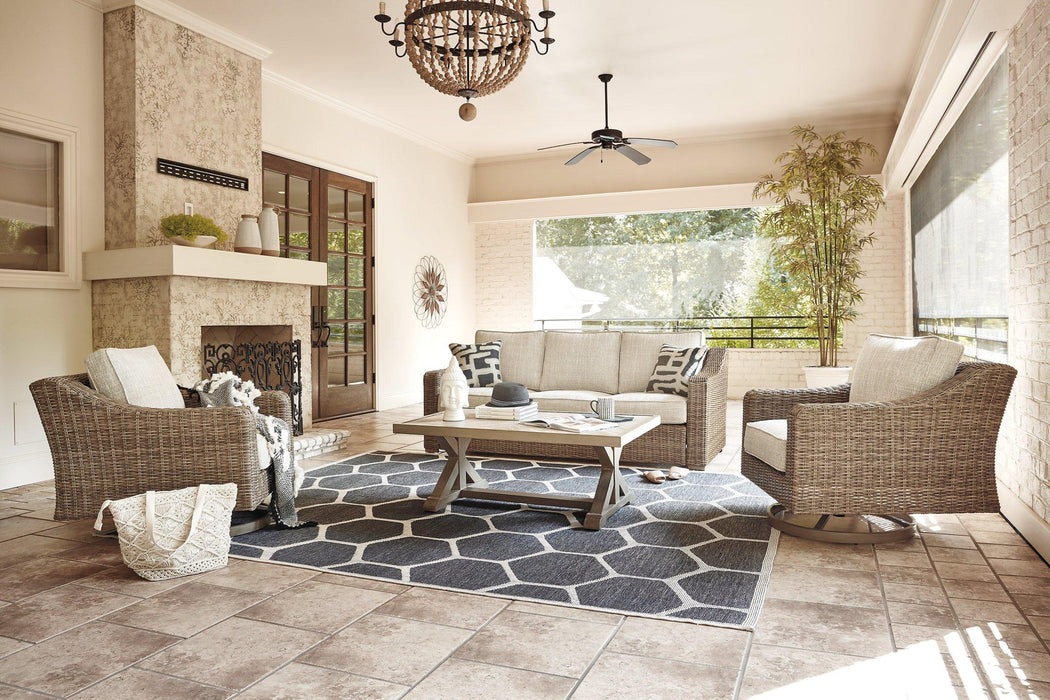
One of the most common mistakes people make is neglecting regular maintenance. Routine care and low maintenance tasks help extend the life of outdoor furniture and keep it looking good. Regular inspection helps identify wear or damage early, preventing further deterioration and costly repairs.
Various materials need particular attention. Each type has its own care requirements:
-
Wooden furniture needs protective treatments to resist moisture and prevent rot.
-
Protective sealants applied annually to wood and metal furniture repel water and resist fading.
-
The right material for metal furniture benefits from regular cleaning and prompt treatment of rust spots, which can significantly extend its life. Different materials require specific care to maintain their quality.
Wicker furniture requires regular cleaning, and covers may be necessary to protect it from moisture. Tightening screws and bolts can prevent structural issues like wobbliness, ensuring you arrange furniture properly and that it remains safe and comfortable.
Don’t forget about re-weaving wicker furniture if needed. Replacing broken strands with new ones can restore its functionality and look. Incorporating these simple maintenance tasks into your routine will keep your outdoor furniture looking new for years.
Not Using Covers During the Off-Season
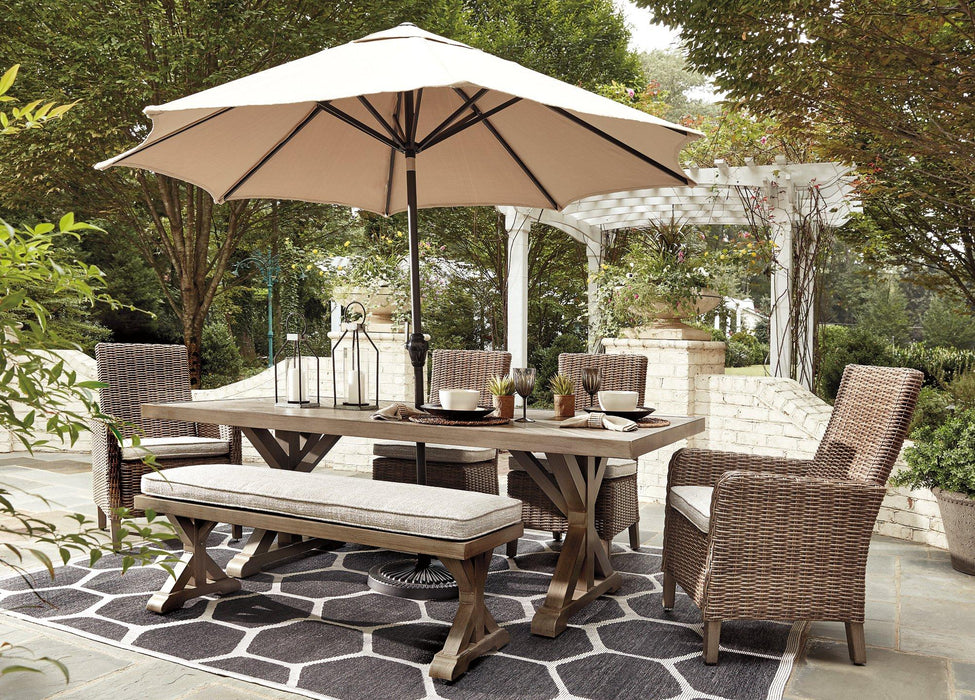
Protective covers during the off season shield outdoor furniture from weather elements like moisture and UV damage, significantly extending its life. Decades of experience have shown that covers play a critical role in maintaining outdoor furniture. They shield your investment from the harsh elements, ensuring it remains in top condition for the next season.
Covers also help keep outdoor furniture clean and maintain its appearance during off-seasons. Storing outdoor furniture in a dry, indoor space during winter can prevent mold and mildew. Alternatively, using a garden cover during winter months can provide adequate protection.
Overall, investing in high-quality covers is a small price to pay for the extended life and beauty of your outdoor furniture in the long run, making it a great choice for your money, covering your needs.
Ignoring Climate-Specific Care
Understanding local weather patterns helps protect outdoor furniture from damage. Hot summers and freezing winters require durable materials that can withstand extreme conditions. UV-resistant materials prevent fading and deterioration, keeping your furniture vibrant season after season.
Choosing outdoor furniture materials based on local climate conditions ensures longevity. Outdoor furniture typically features materials that offer resistance to moisture and UV rays. Winter covers protect your furniture from snow, rain, and freezing temperatures. Investing in high-quality, custom-fitted covers can significantly extend the lifespan of your outdoor furnishings.
Proper winter covers should be breathable to prevent moisture accumulation while being water-resistant. Tailored covers with adjustable features protect furniture against strong winds. Additionally, using UV-protectant sprays can prevent fading and brittleness of outdoor fabrics exposed to intense sunlight.
Forgetting to Store Cushions Properly

Forgetting to store cushions properly can lead to damage. Keeping outdoor cushions and pillows in good condition during winter or storms ensures their longevity. Preventing mold, mildew, and fading is essential when storing outdoor cushions.
Invest in a storage unit or consider stackable or foldable furniture to keep cushions organized and protected. It’s advised to ensure outdoor furniture is completely dry before storage to avoid moisture-related issues.
Taking these steps ensures your cushions remain fresh and ready for use when warm weather returns.
Overlooking Furniture Placement
Overlooking furniture placement can impact both the durability and usability of your outdoor items. Effective furniture arrangement enhances visitor interaction and enjoyment in outdoor spaces. Arrangements that ensure visibility and accessibility can encourage prolonged stays and social interactions among users.
Thoughtful placement of outdoor furniture not only improves aesthetic appeal but also fosters a more engaging atmosphere in the outdoor area. Whether you’re setting up a cozy corner for reading or creating a lively area for gatherings, consider how the placement of your furniture can enhance the overall experience.
Strategically arranging your outdoor furniture creates a welcoming family lounge and functional space that meets your personal style needs while choosing style in the room.
Failing to Secure Furniture in Windy Conditions

Not securing furniture in windy conditions can result in damage and accidents. Sandbags or weights at the base of furniture legs stabilize lighter pieces during windy weather. Securing furniture covers with ties or straps prevents them from being blown off by the wind.
For a more permanent solution, using ground anchors or deck fasteners provides stability in high-wind areas. Additionally, arranging furniture to block wind can help minimize the impact of strong gusts and protect your patio setup.
Taking these precautions ensures your outdoor furniture remains safe and secure, regardless of the weather.
Allowing Dirt and Debris to Accumulate
Allowing dirt and debris to accumulate can lead to long-term damage. Regularly removing debris is crucial to keeping outdoor furniture clean. Regular cleaning helps maintain outdoor furniture’s protective coatings, preventing damage from elements like bird droppings and humidity.
Cleaning schedules vary depending on the material: wood should be cleaned monthly, metal every two weeks, and upholstery weekly during high pollen periods. Furniture made from weather-resistant materials is generally easier to clean and requires less maintenance compared to other types.
Adhering to a regular cleaning schedule preserves the beauty and functionality of your outdoor furniture.
Skipping the Sit Test After Assembly
Skipping the sit test after assembly can lead to discomfort and hazards. Comfort should be a key factor when selecting outdoor furniture, especially when considering a chair. An uncomfortable outdoor furniture example can significantly reduce enjoyment during gatherings, and comfort can be measured during the sit test to help you relax.
The sit test involves checking comfort and stability by sitting on the furniture and ensuring accurate measurements after assembly. Measuring comfort and stability after assembly ensures proper setup. Don’t skip this crucial step to guarantee a pleasant and safe experience for you and your guests. Make sure to measure your furniture to stand up to the test.
Not Addressing Rust on Metal Furniture
Not addressing rust on metal furniture promptly can lead to further deterioration. It’s essential to address rust spots on metal furniture to prevent them from spreading and causing more damage.
Natural remedies for removing rust on metal surfaces include:
-
A mixture of salt and lemon juice can effectively break down rust.
-
Baking soda mixed with water forms a paste that can help lift rust from metal furniture.
-
White vinegar, a powerful natural agent that can dissolve rust when applied and left for a short period.
Potatoes, due to their oxalic acid content, can also be used to remove rust, especially when combined with salt. If natural methods don’t work, using commercial rust removers should be a last resort. For metal frames, using a wire brush to eliminate rust and applying a rust converter can stop further corrosion.
Addressing rust promptly extends the life of your metal furniture and keeps it looking great.
Overloading Furniture Beyond Capacity
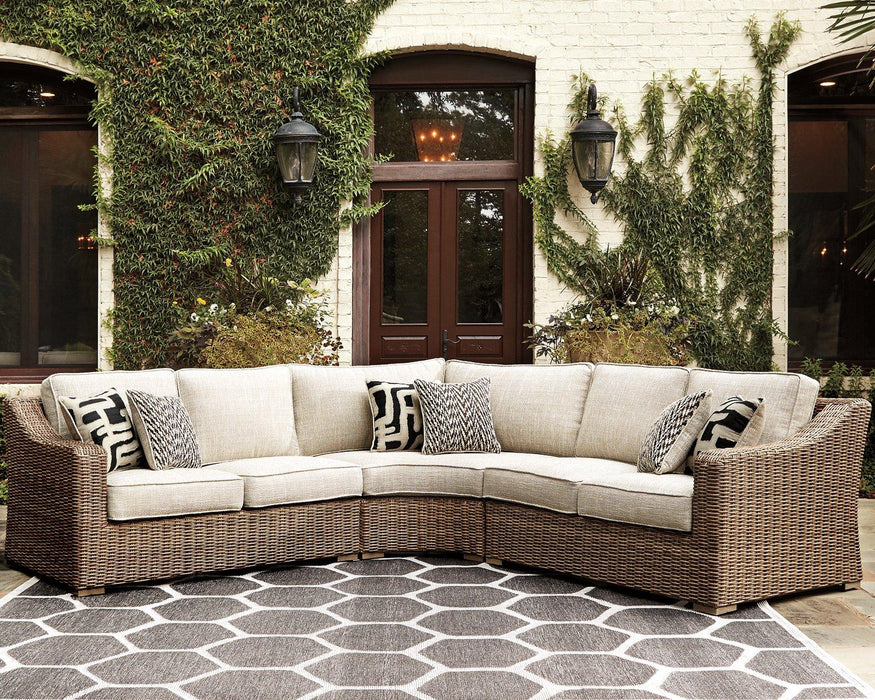
Overloading furniture beyond its capacity leads to structural instability and damage. Furniture should not be overloaded as it can compromise its integrity and safety. Following the weight limits specified by manufacturers ensures safety.
Consulting manufacturer guidelines helps in understanding the appropriate weight capacity for different furniture types. Adhering to these guidelines prevents damage and ensures your furniture lasts longer.
Using Indoor Furniture Outdoors
Using indoor furniture indoors is an outdoor furniture mistake because it lacks weather resistance. Indoor furniture, while often more comfortable, is not designed for frequent use in outdoor settings. Picking outdoor furniture that is heavier, like iron or hardwood, reduces the chance of it being displaced by strong winds.
Investing in garden furniture pieces designed for outdoor use ensures durability and longevity. By buying outdoor furniture and patio furniture, you can enjoy a stylish and functional outdoor space that withstands the elements.
Ignoring Manufacturer's Instructions
Ignoring the manufacturer’s instructions can cause damage and void warranties. Referring to the manufacturer’s guidelines is crucial for maintaining outdoor furniture correctly. Specific care instructions can vary by material type and are essential for enhancing furniture longevity.
Accumulated dirt and debris can lead to issues like mold and rust, compromising the furniture’s structural integrity. Following care instructions helps avoid damage that could void warranties on outdoor furniture. By adhering to these guidelines, you can protect your investment and ensure it remains in top condition.
Not Considering Seasonal Changes
Neglecting seasonal changes can lead to damage and increased maintenance. Spring cleaning removes winter debris and prevents grime buildup. In summer, UV-resistant spray protects outdoor furniture from fading and damage caused by the sun.
In fall, weatherproof covers and strategic furniture placement shield items from unpredictable weather. Winter preparation includes cleaning and drying furniture thoroughly to prevent damage from freezing moisture. Elevating outdoor furniture off the ground during winter protects it from ice and moisture damage.
Adjusting care routines to seasonal changes is vital for protecting outdoor furniture year-round. Considering these seasonal factors ensures your furniture remains in excellent condition throughout the year.
Overlooking the Need for Repairs
Neglecting repairs can lead to further issues with outdoor furniture. To prevent this:
-
Regularly inspect for signs of wear, such as rust or damage.
-
Identify issues early to prevent them from escalating.
-
Perform timely repairs to avoid further problems with outdoor furniture.
Common signs of wear include rust, loose joints, or cracks that need immediate addressing. Simple DIY fixes such as applying rust remover, tightening screws, or replacing worn-out cushions can extend the life of your furniture.
Staying on top of repairs maintains the functionality and appearance of your high maintenance outdoor furniture.
Shop At Abundant Home Collections Today!
If you’re looking for durable and stylish outdoor furniture, we invite you to explore Abundant Home Collections. We offer a diverse selection of long-lasting, design-forward pieces that help elevate any outdoor space. Our outdoor seating sets, dining tables, and conversation sets cater to a variety of aesthetics and functional needs.
You’ll find furniture that enhances your outdoor decor while standing up to changing weather conditions. We focus on providing affordable pricing without compromising quality, giving you exceptional value.
We also make the shopping experience easy with responsive customer service and a user-friendly website. Shop with us today and transform your outdoor space with pieces that blend comfort, style, and durability.
Summary
In summary, avoiding common mistakes after buying outdoor furniture can significantly extend its life and maintain its appearance. Key points include performing regular maintenance, using protective covers during the off season, and considering climate-specific care. Properly storing cushions, securing furniture in windy conditions, and regularly cleaning to prevent dirt accumulation are also crucial steps. Avoiding the use of indoor furniture outdoors, adhering to manufacturer’s instructions, and adjusting care routines for seasonal changes will ensure your outdoor space remains inviting and functional year-round.
By following these essential tips, you can protect your investment and enjoy your outdoor furniture for many seasons to come. So, take proactive steps today and create an outdoor oasis that you and your loved ones can enjoy for years. Remember, a little maintenance goes a long way in preserving the beauty and functionality of your outdoor space.
Frequently Asked Questions
What is the longest lasting material for outdoor furniture?
Teak wood is your best bet for outdoor furniture, as it's known for its amazing durability. If you're looking for something synthetic, HDPE all-weather wicker is also super tough and long-lasting.
Why is regular maintenance important for outdoor furniture?
Regular maintenance is crucial for outdoor furniture because it keeps it looking great and extends its lifespan. By caring for your furniture regularly, you can catch any damage early and avoid expensive repairs down the line.
How can I protect my outdoor furniture during the off season?
To keep your outdoor furniture safe during the off season, cover it with protective covers and consider storing it indoors to avoid moisture and mold. This simple step can save you from costly repairs later!
What should I consider when choosing outdoor furniture materials?
When choosing outdoor furniture, prioritize durable materials that can handle your local weather, like UV- and moisture-resistant options. Using covers and protectant sprays can also help extend the life of your furniture.
How do I prevent rust on metal furniture?
To prevent rust on your metal furniture, tackle any rust spots quickly with natural remedies like vinegar or baking soda, and consider using commercial rust removers if necessary. Staying on top of maintenance will keep your furniture looking its best!
Leave a comment