
When Sectional Sofas Help Maximize Seating Space in 2026
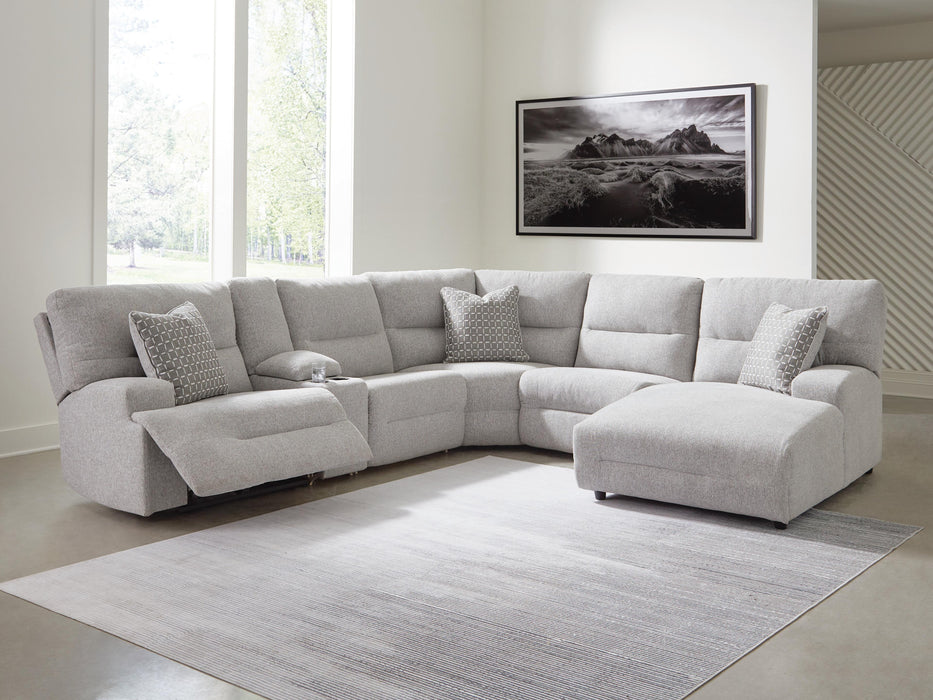
Key Takeways
-
Sectionals maximize seating when they match the room size, focal point, and traffic flow instead of simply filling the room with cushions.
-
An L-shaped sectional works best in rooms measuring approximately 10x12 ft to 14x18 ft, providing ample seating for four to six people while preserving floor space for a coffee table and clear pathways.
-
A U-shaped sectional is ideal for medium-to-large rooms, requiring a minimum room size of approximately 12x18 ft to avoid overwhelming the space and to provide comfortable seating for social gatherings.
-
Modular sectionals offer the highest flexibility for maximizing seating, allowing for rearrangement based on the occasion, which is particularly beneficial for evolving households.
-
Before purchasing a sectional, measure your room completely and apply key spacing guidelines, such as maintaining 30 to 36 inches of clearance for main walkways and 16 to 18 inches between the sectional and coffee table.
Introduction: When a Sectional Truly Maximizes Seating (and When It Doesn’t)
Knowing when sectional sofas help maximize seating space comes down to one question: Does the sectional create more usable seats without damaging the natural flow of the room? A sectional sofa is not automatically a space-saver. It works when people can sit comfortably, face the room’s focal point, and move around without squeezing past a chaise or arm.
In 2026, sectionals are especially useful in narrow living rooms, open floor plan homes, casual family rooms, and media-focused family rooms. The goal is not just seating capacity; it is a functional seating area that supports movie nights, game nights, entertaining, and everyday lounging.
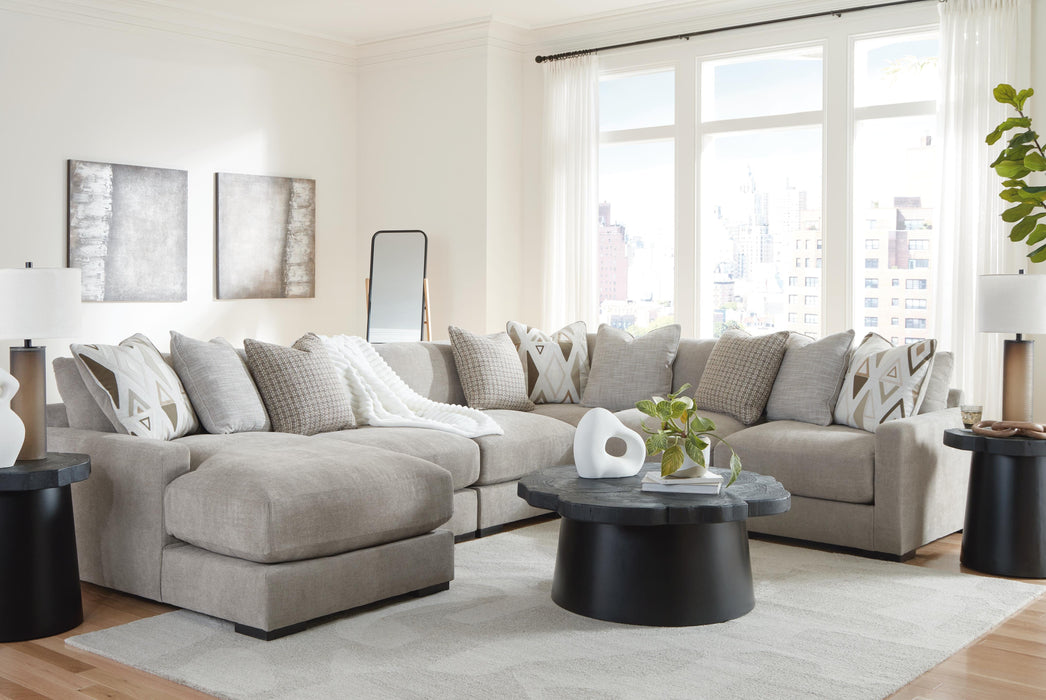
Image 1: Corner Sectional in a Compact Living Room
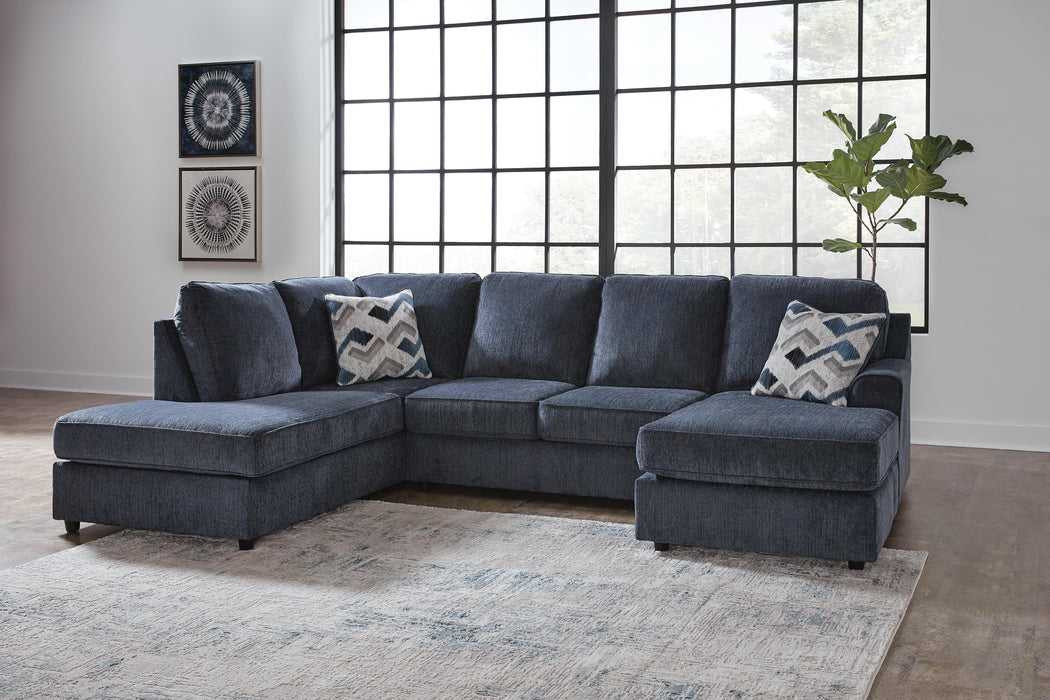
This image should show a small 10×12 ft living room with an L-shaped sectional tucked into a corner. The layout should make the 30–36 inch walkways easy to see, with one compact coffee table, one slim accent chair, and a clear TV focal point.
Start With the Question: Can a Sectional Work in Your Room?
Before you choose fabric, color, or your dream sofa, ask: Can a sectional work here without hurting movement? Maximizing seating starts with understanding your room’s dimensions and layout, including the locations of doors, windows, and other architectural features that affect space utilization.
Here are the first checks:
-
For most L-shapes, look for a room size of about 10×12 ft to 14×18 ft.
-
For a U-shaped sectional, plan on approximately 12×18 ft minimum so the room does not feel overloaded.
-
Keep at least one 30–36 inch main walkway from the entry to the hallway, kitchen, or dining room.
-
Leave 16–18 inches between the sectional edge and coffee table.
-
If general movement around the sectional seating feels tight, leaving 18 to 24 inches of clearance around sectional seating facilitates easy movement within the space.
Visual bulk matters too. Using light colors and low-profile designs helps ensure a sectional sofa doesn’t overwhelm a room. Raised legs, narrow arms, and lower backs can make a sectional couch work in small spaces where bulky reclining sectionals or oversized arms would make the room feel cramped.
How Sectionals Convert Floor Space Into More Usable Seats
Choosing the right sectional shape is crucial for maximizing seating; L-shaped and U-shaped sectionals can provide more usable seats compared to traditional sofas, especially in smaller spaces. Unlike traditional sofas, sectionals wrap seating around corners, walls, and underused edges instead of leaving gaps between furniture pieces.
A sofa plus two accent chairs may look flexible, but the gaps between pieces often waste floor space. A sectional layout can turn those gaps into corner seats, a chaise perch, or extra seating for guests.
To count as usable, a seat needs:
-
a clear line of sight to the focal point
-
enough legroom
-
easy access without climbing over someone
-
a comfortable angle for conversation or TV viewing
Sectionals can provide more comfortable seating options compared to traditional sofas, as they typically have deep seats that are ideal for lounging and entertaining. Choosing the right sectional shape is crucial, as it significantly affects how many people can sit comfortably; L-shaped, U-shaped, and chaise-style configurations each convert floor space into actual seats differently.
In a living room that shares space with a home office corner or dining room, a sectional can also act as a room divider while still creating a cozy seating area.
Image 2: Floating Sectional Defining Zones in an Open-Plan Space
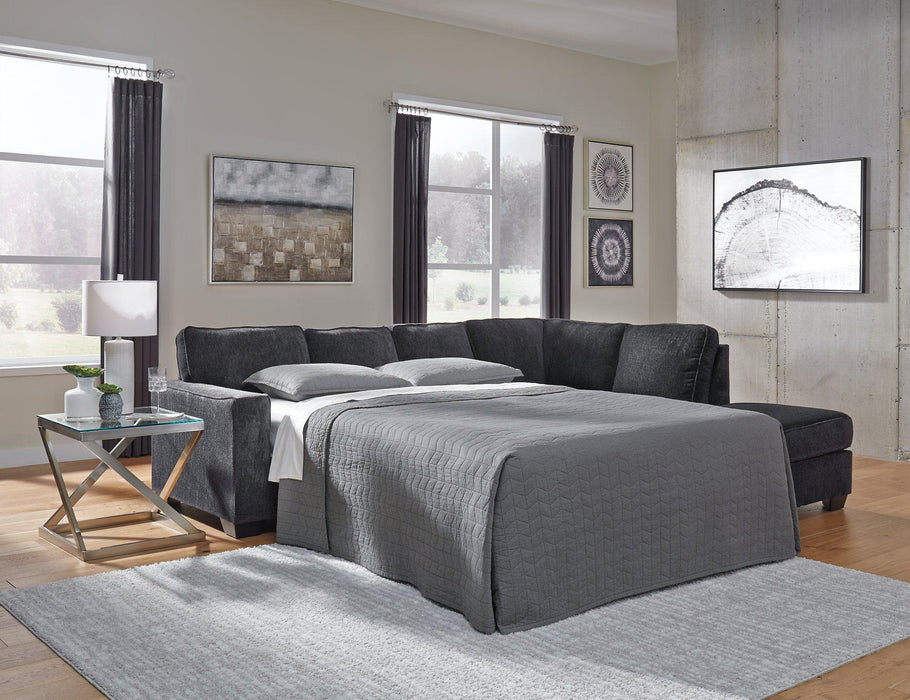
This image should show a floating sectional in a 15×25 ft open floor plan. The back of the sectional should face the dining room table, with at least 36 inches of walkway behind it and a round coffee table in the central area.
L-Shaped and Corner-Hugging Sectionals: Everyday Space Savers
L-shaped sectionals are often the easiest answer when sectional sofas help maximize seating space in a small to mid-size living room. L-shaped sectionals are the most versatile design for maximizing seating without overwhelming a room, providing ample seating for four to six people while preserving floor space for other furniture.
An L-shaped sectional works best in rooms measuring approximately 10x12 ft to 14x18 ft, providing ample seating for four to six people while preserving floor space for a coffee table and clear pathways. A 110-inch by 80-inch L-shaped sectional works well in a 12×16 ft room when the long side faces a TV, fireplace, or large window.
Corner optimization with sectional sofas can free up central floor space for movement or coffee tables. Leave a 3–5 inch gap between the sectional and walls for cleaning, cable management, and a less forced room feel.
Corner Placement: Turning Awkward Edges Into Extra Seats
For small living rooms, a corner placement of a sectional can optimize space by utilizing underused areas, creating a cozy seating zone while keeping the central area open for other activities.
In a square-ish 11×11 ft small room, a corner-hugging shaped sectional can seat 4–5 people without needing multiple accent chairs. The corner becomes useful instead of dead space.
Keep one clear 30-inch path from the entry to the focal point. A small rectangular table around 20×40 inches works well, as long as there are 16–18 inches between the table and the seat cushions.
Floating L-Shape: Maximizing Seating in Open-Concept Rooms
A floating L-shape can seat 5–6 people in a 15×20 ft living space while separating the living room from the dining room. This floating arrangement works best when the long side faces the TV or fireplace and the short side becomes a soft wall.
Add one slim accent chair opposite the sectional if you want to create symmetry without adding much footprint. Use a rug large enough to hold the front legs of the sectional and the coffee table so the seating area feels intentional.
When Compact U-Shapes and Chaise Sectionals Maximize Seating
U-shapes and chaise sectionals are best when you routinely seat 5–8 people. A compact U shape can maximize seating in a modest family room by replacing several standalone chairs.
U-shaped sectionals work best in medium-to-large rooms, creating a defined conversation pit and efficient viewing angles toward a TV or fireplace, accommodating six to eight people comfortably. A U-shaped sectional creates a social setup that works for movie nights, game nights, and conversation.
Chaise sectionals combine a standard sofa with an extended lounge seat, providing flexibility in smaller spaces while still allowing for lounging capability without overwhelming the room. For narrow living rooms, place the chaise on the low-traffic side so it does not interrupt the straight walkway.
Coffee tables matter here. Use rounded rectangles or a round coffee table for a U shape, and use narrow tables or nesting tables for chaise layouts.
Compact U-Shape: Maximum Seats in a Modest Room
In a 12×15 or 12×18 ft room, a compact U-shaped sectional can seat 6–7 people facing a TV or fireplace. Slim arms, low backs, and visible legs keep the room feeling lighter.
A 32–36-inch round coffee table or soft-edged table works well in the middle. It gives people a shared surface while keeping enough space for feet and movement.
This setup often replaces two or three bulky accent chairs, simplifying the room layout while increasing total seating capacity.
Chaise-End Designs: Smart for Narrow Living Rooms
A chaise sectional works especially well along one long wall in a 10×20 ft room. The chaise gives one person a full lounge position while also acting as extra seating when guests arrive.
Put the chaise away from the main walkway. If people have to turn sideways to reach the hallway, kitchen, or dining room, the sectional will not save space.
A narrow bench-style table, nesting tables, wall-mounted shelving, and wall lighting can reduce clutter. In tight spaces, avoid oversized floor lamps and use table lamps only where they do not block access to a side table.
Image 3: Compact U-Shape in a Family Media Room
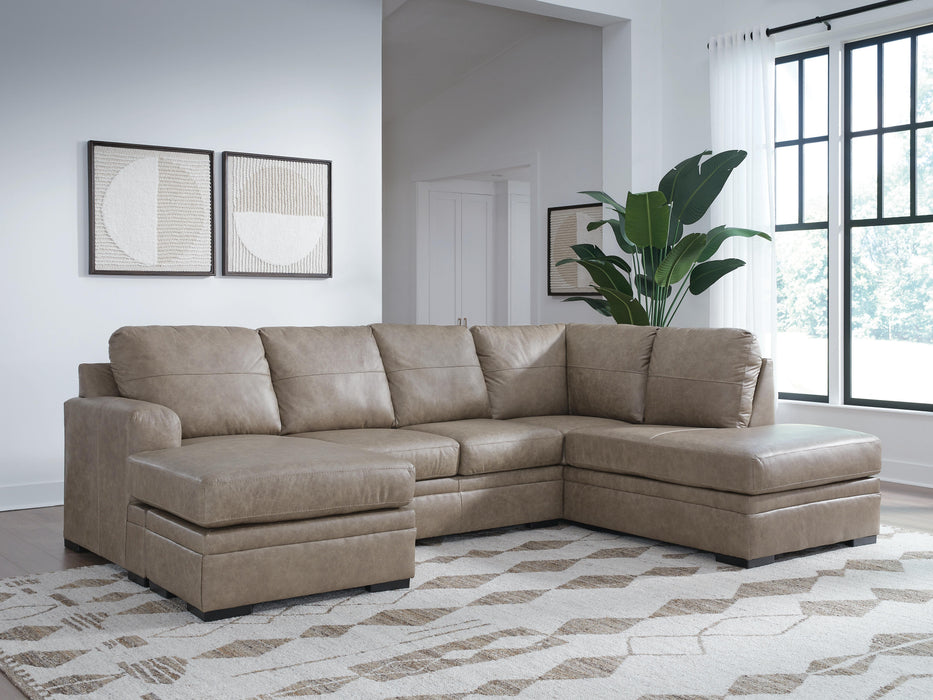
This image should show a compact U-shaped sectional in a modest family media room. Every seat should have a direct or near-direct view of the screen, with a low media console and no bulky floor lamps.
Modular Sectionals and Floating Arrangements: Adapting Seating Over Time
Sectionals are one of the most versatile types of sofas available, allowing for multiple configurations to fit different living room layouts. Modular sectionals consist of separate pieces that can be rearranged into various configurations, making them ideal for homes where functions shift throughout the day or week.
A modular sectional can become a straight sofa, L-shape, compact U, or pit-style setup. That flexibility is useful for renters, growing households, and rooms with difficult architectural features such as bay windows, off-center fireplaces, or a large window that should not be blocked.
A sectional sofa furniture collection with armless chairs, corner pieces, chaises, and ottomans gives you more versatile configurations than one fixed sectional sofa furniture piece. For a sectional sofa furniture selection that lasts, choose modules that work together and apart.
Built-in storage is a common feature in sectionals, often integrated into chaise lounges and armrests, providing functional space without extra furniture. Hidden storage can reduce clutter, while storage ottomans can do double duty as tables, footrests, or occasional seats.
Reconfiguring for Guests, Movies, and Everyday Life
A four- or five-piece modular sectional can sit as an everyday L-shape, then shift into a compact U for weekend guests. Ottoman units can become a coffee table with trays or extra seating during parties.
Use one large rug that works with each planned sectional layout. That keeps the same room feeling cohesive even when the furniture pieces move.
Designing Around Focal Points and Coffee Tables for Maximum Seating
The best sectional layout starts with one primary anchor: TV, fireplace, or view. If the room has two competing anchors, some seats may become awkward side-facing spots that people avoid.
Keep 16–18 inches between the sectional and coffee tables. Rectangular coffee tables usually suit L-shapes, while oval or round tables help in tighter rooms with more traffic flow.
A compact room can handle a compact coffee table, but the table should still feel proportional to the sectional. If it is too small, the seating can feel scattered; if it is too large, people lose legroom.
When selecting a sectional, consider the overall dimensions, including seat depth (20-26 inches) and height (17-19 inches), to ensure comfort for the widest range of users.
TV, Fireplace, and Window Views: Choosing One Primary Anchor
In a 13×18 ft room with both a TV and fireplace, orient the long side of the sectional toward the feature used most often. For many homes, that is the TV.
A slight 10–15 degree rotation can help, but only if it does not make corner seats uncomfortable. In view-focused rooms, a one-arm chaise sectional can maximize seats facing outward without blocking light from a large window.
Image 4: Narrow Living Room With a Chaise Sectional and Bench Coffee Table
This image should show a 10×20 ft long, narrow living room with the chaise on the low-traffic side. The opposite side should show a straight walkway from the entry to the room’s focal point.
Supporting Pieces: When Accent Chairs, Ottomans, and Coffee Tables Add Seats
Smaller pieces can support a sectional without overwhelming the room. Choose mobile accent chairs, stools, or ottomans instead of deep armchairs when the living room layout is tight.
Storage ottomans are especially useful in a small living room. With a tray, they replace coffee tables; without the tray, they provide extra seating or a place to stretch out.
A recliner seat can work in larger rooms, but be careful with reclining sectionals in small spaces because they need extra clearance. Use a side table, table lamps, or wall-mounted shelving only when they do not interrupt the natural flow around the seating area.
Practical Measurement Rules to See If a Sectional Will Truly Maximize Seating
Use this quick checklist before buying:
|
What to measure |
Rule of thumb |
|---|---|
|
L-shaped sectional |
Best around 10×12 ft to 14×18 ft |
|
U-shaped sectional |
Minimum about 12×18 ft |
|
Chaise sectional |
Best with at least 10 ft of room width |
|
Main walkway |
Maintain 30–36 inches |
|
Coffee table gap |
Keep 16–18 inches |
|
General seating clearance |
Leave 18–24 inches where people need access |
|
Wall gap |
Leave 3–5 inches behind the sectional |
Maintaining at least 30 to 36 inches of clearance for main walkways around a sectional is essential for comfortable movement and to prevent the layout from feeling cramped.
Maintaining at least 30 to 36 inches of clearance for main walkways around the sectional is essential to ensure comfortable movement and accessibility to all seating areas.
Tape the sectional footprint on the floor, including the chaise, arms, ottomans, and coffee table. Then walk the path from the entry to the kitchen, the entry to the hallway, and the sofa to the window. If any path feels blocked, reduce the sectional size or change the orientation.
Also measure door swings, vents, windows, and delivery paths. A sectional that cannot fit through the door, stairs, or hallway will never maximize seating.
Not all sectionals are right for every home. One of the main drawbacks of sectionals is that they can take up a lot of space, which may not be suitable for smaller living rooms, as they can make the area feel cramped. Sectionals can be expensive, especially if made from high-quality materials and with customization options, which can increase the overall cost.
Image 5: Taped-Out Sectional Footprint in an Empty Room
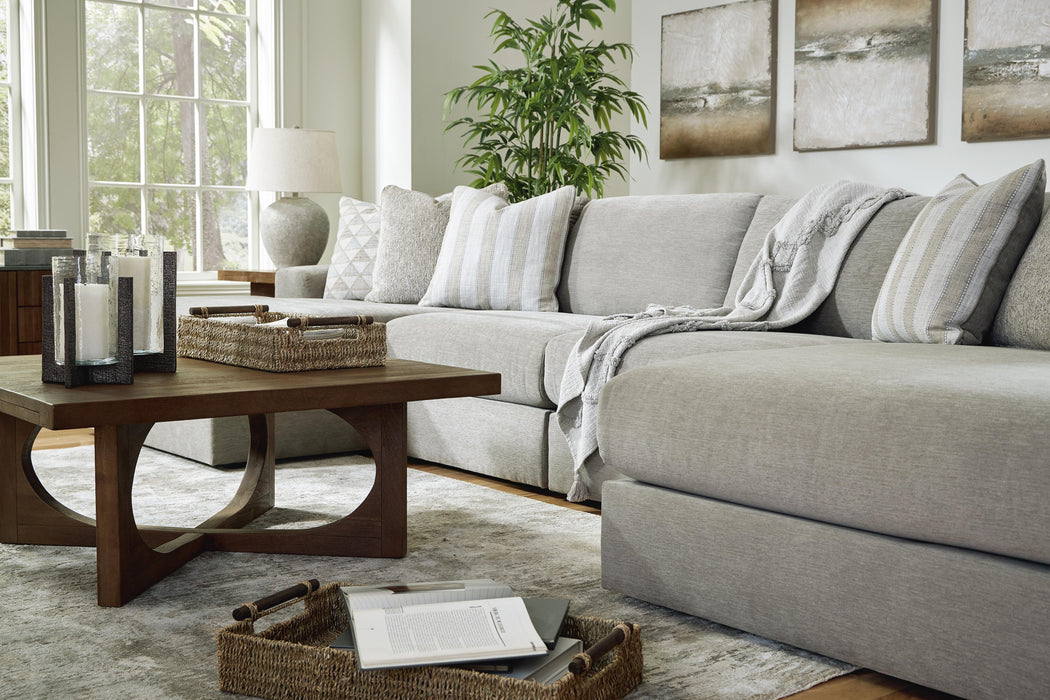
This image should show a taped L-shaped or compact U-shaped footprint before purchase. Include a person walking through the taped route to show how the 30–36 inch walkway test works.
Conclusion: Matching Sectional Style to Room Shape for Maximum Seating
A sectional sofa brings comfort and ample seating when it fits the room, supports the focal point, and leaves clear paths. Corner L-shapes suit a small room, compact U-shapes suit social family rooms, chaise designs suit narrow living rooms, and modular options suit changing households.
The best way to find your dream sofa is simple: measure, tape the footprint, walk the room, and count only the seats people will actually use.
FAQ: Making the Most of Sectional Seating
These quick answers cover common concerns about cleaning, open rooms, fixed designs, and combining sectionals with existing furniture.
How do I know if a sectional will overpower my small living room?
Compare the proposed sectional footprint to the room size. If it takes up more than about two-thirds of the usable floor area, it will probably dominate.
Also, check whether at least one 30–36 inch path remains from the entry to the focal point. If not, the sectional will not maximize seating effectively. Raised legs, narrow arms, light colors, and mid-height backs can help the room feel balanced.
Can a sectional work in a combined living room and dining room?
Yes. In an open-plan layout, a floating sectional is often the best way to maximize seating while separating living and dining zones.
Place the back of the sectional toward the dining table and leave at least 36 inches of circulation between the two areas. In a sprawling open floor plan, this creates a room divider without building a wall.
Is a modular sectional always better than a fixed sectional for seating?
A modular sectional is better when the home layout may change or when the room needs to shift between TV watching, hosting, and sleeping guests.
A fixed sectional can look cleaner and feel more stable when the room layout is unlikely to change. For renters or homes with multiple possible focal points, modular is usually the safer choice.
How can I keep a heavily used sectional looking good over time?
Choose durable, easy-clean fabric and removable cushion covers where possible. Rotate seat cushions and back cushions so the most-used seats do not wear faster than the corners.
Use trays on ottomans and coffee tables, washable throws, and coasters. This protects the sectional without making it feel too precious for everyday use.
What if I already own accent chairs and want to add a sectional?
Start with the sectional first, then bring back only the accent chairs that fit without blocking walkways. One slim chair opposite the sectional often works better than several large chairs.
Move extra chairs to the dining room, bedroom, or another living space if the seating area becomes crowded. Maximizing seating is about comfort and movement, not keeping every piece in the same room.
Shop Now at Abundant Home Collections for Sectional Sofa Furniture
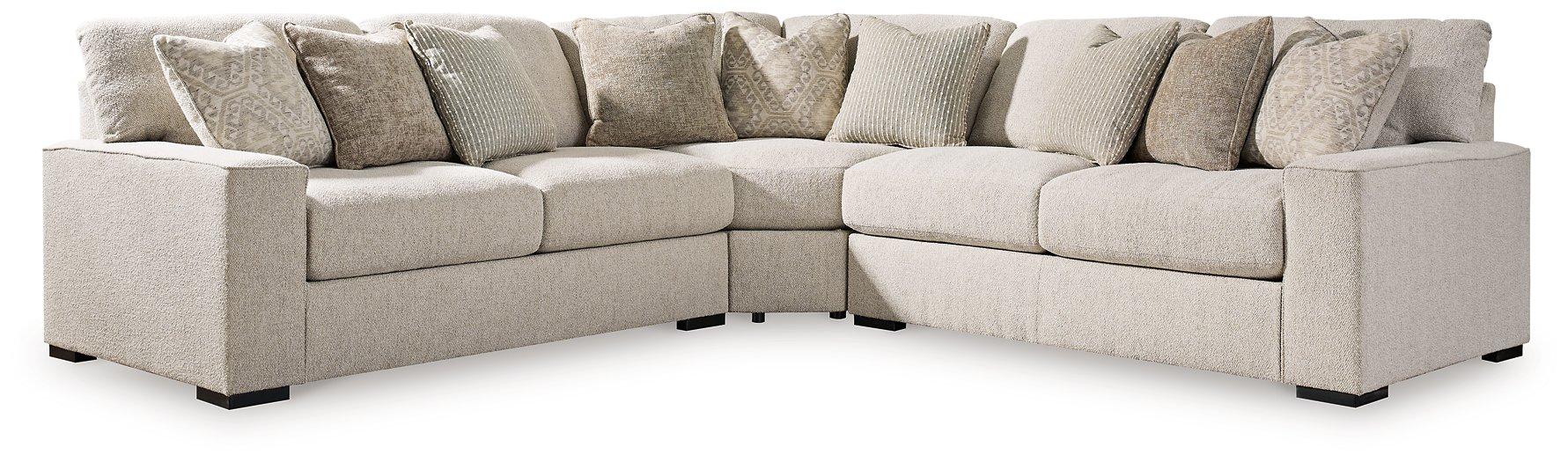
Transform your living space with stylish and comfortable sectional sofa furniture from Abundant Home Collections. Whether you're furnishing a spacious family room or creating a cozy seating area, our collection offers the perfect combination of functionality, comfort, and modern design. Find sectional sofas that fit your lifestyle while enhancing the beauty and flow of your home.
Visit Abundant Home Collections today and discover sectional sofa furniture designed for everyday living. From relaxing with family to entertaining guests, our carefully selected pieces provide the seating, durability, and style you need. Shop now and bring home a sectional sofa that turns your living room into a welcoming place for everyone.
Leave a comment