
How to Choose Living Room Furniture That Makes Seating More Comfortable
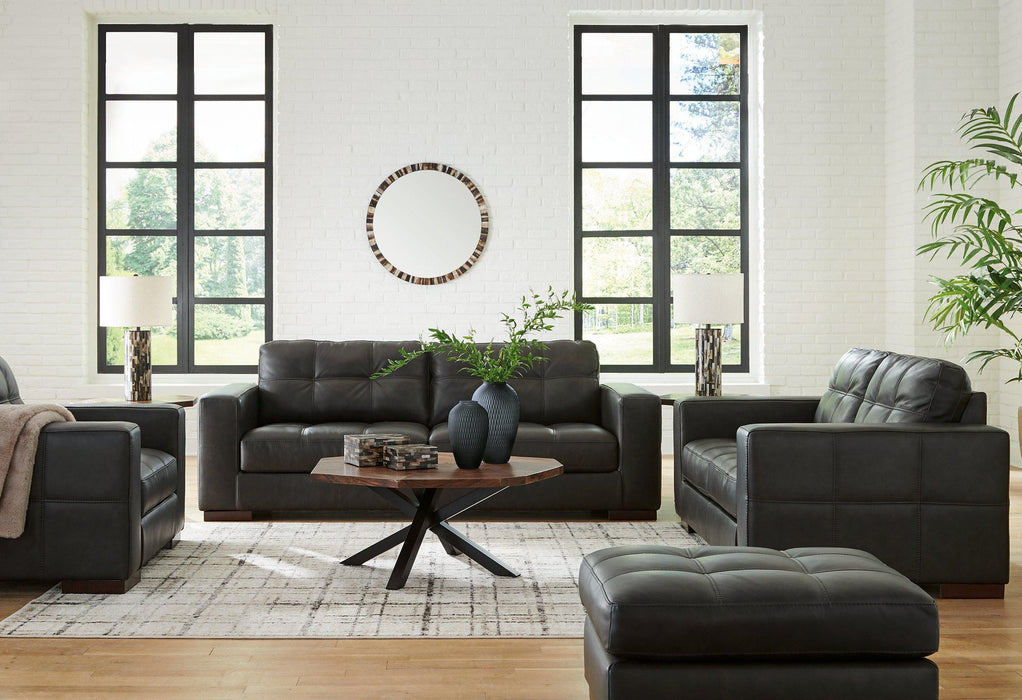
Creating a living room where you actually want to spend time starts with one fundamental question: how comfortable is the seating? Whether you’re settling in for a three-hour TV marathon, curling up with a book, hosting weekend guests, or working on a laptop from the couch, the furniture you choose and how you arrange it determines whether your living space feels like a welcoming retreat or an afterthought.
This guide focuses specifically on choosing and arranging living room furniture to improve everyday seating comfort. You’ll learn concrete measurements, like ideal seat depth, the right spacing between your sofa and coffee table, and how far apart seats should be for easy conversation. You’ll also discover which furniture pieces make the biggest difference in comfort and how to adapt these principles to your specific room dimensions.
We’ll move from quick, actionable tips you can use today to more detailed guidance on sofas, chairs, tables, and layouts for different room sizes, including practical living room layout ideas and how to arrange living room furniture for maximum comfort. By the end, you’ll have a clear roadmap for building a cozy living room where people naturally gather and stay comfortable for hours.
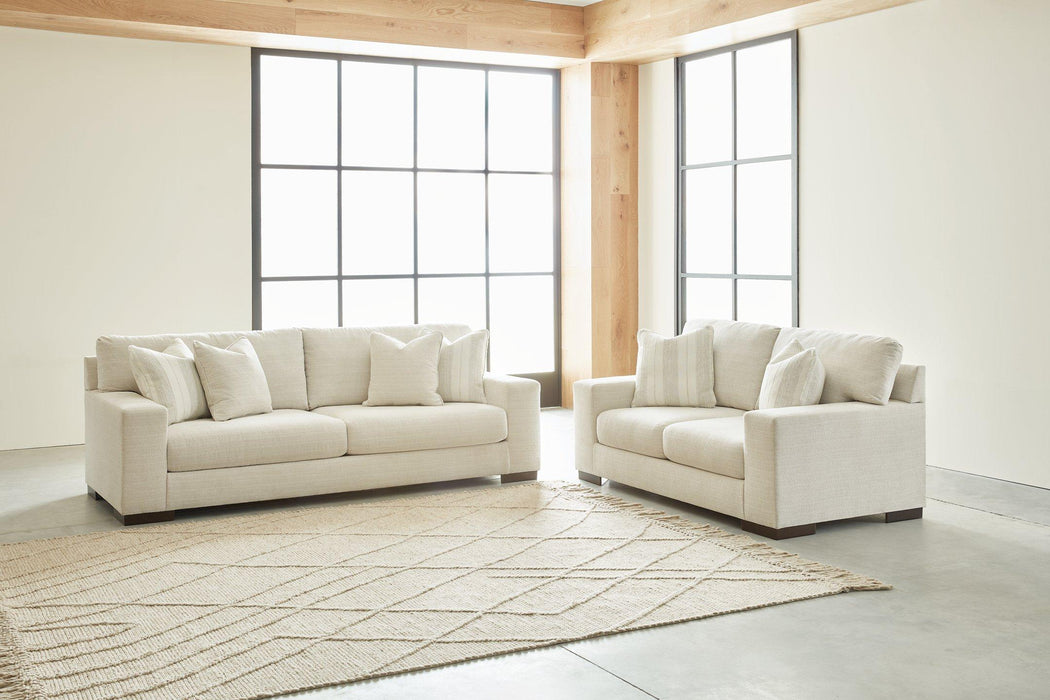
Quick Answer: The Fastest Way to Make Living Room Seating More Comfortable
If you’re short on time, here’s the essential formula for comfortable seating in any living room:
The Comfort Formula: One deep but supportive sofa, one or two upright chairs for variety, one ottoman or chaise for leg stretching, and surfaces within arm’s reach of every seat.
Target Measurements to Remember:
-
Sofa seat depth: 21–24” is ideal for those who want to sit upright comfortably, supporting proper posture during extended periods (26–28” if you want to lounge with lumbar pillows)
-
Seat height: 17–19” from floor to top of cushion
-
Distance between sofa and coffee table: 16–18”
-
Conversation distance between opposite seats: 8–9 feet maximum
-
Clear walkways around furniture: 30–36”
Quick Example Layout:
In a 12’ x 16’ living room, place a three-seat sofa (about 84” wide) centered on the long wall. Position two chairs opposite the sofa, angled slightly inward. Add a 36–40” coffee table between them, keeping it about 16–18” from the sofa’s edge. This creates a natural conversation area where everyone can see each other without straining.
The rest of this article breaks down how to choose each piece and arrange furniture for maximum seating comfort in your specific situation.
Plan Around How You Actually Sit and Use the Room
Comfort starts with understanding how your living room is really used, not how you imagine using it, but how you actually spend time there. Do you watch three hours of TV each night? Do the kids play on the floor while the adults sit on the sofa? Do you host guests most weekends?
Here are six common living room “profiles” and the seating priorities for each:
-
TV-first room: Prioritize clear sightlines to the screen and reclined comfort. Choose a sectional sofa or deep sofa facing the TV directly, with seats that support lounging positions.
-
Conversation-focused room: Arrange seating so faces are within 8–9 feet of each other. Use two sofas facing each other or a sofa with chairs opposite to encourage eye contact and easy talking.
-
Family playroom: Keep the center floor space open for kids. Use furniture with rounded edges, durable seat cushions, and pieces that can handle daily wear.
-
Small apartment multi-use space: Choose flexible seating that serves multiple purposes. A loveseat plus one accent chair, or a small sectional sofa with a storage ottoman, maximizes a limited space. Incorporate accent seating to enhance both style and flexibility, making the most of every square foot.
-
Work-from-home corner: Include at least one chair that supports upright, focused sitting. Position a side table nearby for a laptop, drink, and phone.
-
Reading-focused room: Prioritize one excellent reading chair with proper back support, good lighting from a floor lamp, and a side table within arm’s reach.
Tracking Your Seating Needs:
Count how many people regularly sit in the room. Plan for one truly comfortable seat per person, not just “technically enough room” on a sofa where people squeeze together awkwardly.
Before buying any furniture pieces, make a quick sketch with measurements of your room’s length and width. Mark doors, windows, the front door location, and any existing focal point like a fireplace, large window, or TV wall.
Practical Examples:
-
In a typical 10’ x 12’ small living room, you might comfortably fit one sofa, one chair, and a small coffee table.
-
In a 14’ x 18’ medium room, you have enough space for a larger sofa, two accent chairs, a coffee table, and side tables, creating a full seating group with accent seating for added versatility.
Integrating a Dining Room for Seamless Comfort
Blending a dining room into your living room can transform your living space into a truly welcoming environment, perfect for everything from casual breakfasts to festive dinners. The key is to create visual and functional harmony between the two areas. Start by choosing a consistent color palette and similar furniture styles for both your living room furniture and dining room pieces. This creates a sense of unity and flow.
A round dining table is an excellent choice for integrated spaces. It encourages conversation and makes it easier to move around, especially in smaller rooms. For extra seating, consider benches or a built-in banquette, which can tuck neatly against a wall and double as a cozy dining nook. To visually define the dining area, place a rug large enough to fit under the dining table and all chairs, setting it apart from the living room without the need for physical barriers.
Lighting also plays a crucial role. An overhead chandelier or pendant light above the dining table not only provides functional illumination but also signals a distinct dining zone within the larger living space. By thoughtfully integrating your dining room and living room, you create a seamless, inviting environment that adapts to both everyday meals and special gatherings.
Open Concept Living: Blending Comfort Across Spaces
Open concept living rooms offer a sense of spaciousness, but they can also make it tricky to define where one activity ends and another begins. The secret to a comfortable and functional open space is smart furniture placement. Use your living room furniture to create distinct zones: arrange a sofa and chairs to form a cozy conversation cluster around a coffee table, and position a dining table and chairs on the other side for meals or games.
A console table or low bookshelf can act as a subtle divider between the living and dining areas, helping to visually separate the spaces without blocking light or disrupting the open feel. This approach keeps the living room inviting while ensuring each area serves its purpose. By blending comfort across spaces and using furniture placement strategically, you can enjoy a cohesive, flexible living room that adapts to your lifestyle.

Choosing Sofas That Stay Comfortable for Hours
The sofa is the primary comfort anchor of any living room and typically the most important furniture choice you’ll make. A sofa you sink into and can’t get out of, or one that’s too shallow and leaves your back unsupported, will undermine everything else you do with the room.
Seat Depth Guidelines:
-
For upright sitting (reading, conversation, laptop work): 21–24” seat depth
-
For lounging and TV watching: 26–28” seat depth, paired with lumbar pillows for back support
-
Deeper seats feel luxurious but require added support to prevent slouching during long sessions
Seat Height Guidelines:
-
Standard comfortable range: 17–19” from floor to top of cushion
-
Lower seats (15–16”) suit modern aesthetics but make standing up harder
-
Higher seats (19–20”) help older adults or anyone with mobility concerns
Cushioning That Lasts:
Medium-firm cushions with high-density foam provide the best long-term comfort. They prevent the “sinking” feeling that strains your back during two to three-hour TV sessions. Research suggests high-density foams can last 10–15 years under daily use, while cheaper fills often degrade in 3–5 years, losing their supportive qualities.
Sofa Sizes by Room:
-
Small living room (under 11’ wide): Choose a 72–78” love seat or apartment sofa
-
Medium room (12–14’ wide): An 84–90” three-seat sofa works well
-
Larger space (15’+ wide): Consider modular sofas or chaise-end sectionals around 100–110.”
Arm Style Matters:
-
Wider padded arms: Great for leaning, perching, or even napping with your head propped
-
Narrow arms: Better for tight spaces where floor space is limited
-
No arms: Maximum flexibility but less support for side sleepers
Frame and Support:
Look for kiln-dried hardwood or metal frames with sinuous springs or webbing. These affect long-term comfort, not just durability. A poorly supported frame leads to sagging seat cushions that bottom out over time.
How to Test a Sofa:
When shopping, sit for at least 10–15 minutes. Your feet should rest flat on the floor, knees at about 90°, and your back should feel supported without slouching. If you’re sinking backward or your knees rise above your hips, the sofa won’t stay comfortable for extended use.
For a 12’ x 15’ living room, an 84” sofa typically provides enough room for three adults to sit comfortably while leaving space for a coffee table and adequate walkways.
Sectionals and Chaises: When to Use Them for Extra-Lounge Comfort
A sectional sofa or chaise is ideal for long TV marathons, family movie nights, and afternoon naps. But these pieces must be sized correctly to the room, too large, and they overwhelm the space; too small, and they defeat the purpose of extra lounging room.
When to Choose an L-Shaped Sectional:
-
Medium rooms where one side can run along a wall
-
Families who want multiple lounging positions
-
Rooms where the TV is the primary focal point
When to Choose a U-Shaped Sectional:
-
Large dens and open floor plans
-
Homes that regularly host groups
-
Spaces where conversation is as important as watching TV
Dimensional Guidance:
-
An 8’ x 8’ to 9’ x 9’ L-shaped sectional works well in a 14’ x 18’ living room
-
Leave approximately 30” around the sectional for walkways and maintain good traffic flow
-
In a long living room, an L-shaped sectional can help define the seating area without blocking the open space
Ensure Upright Seating Options:
At least one seat on the sectional should support upright, feet-on-the-floor sitting for laptop work or reading, not just reclined lounging. Many sectionals include one section without a chaise for this purpose.
Pair with Supportive Chairs:
Even with a large sectional, add at least one upright chair or recliner opposite or adjacent. This offers a different type of comfort, improves conversation angles, and gives guests options beyond the sectional.
Chaise Selection:
-
A 60–70” chaise depth accommodates full leg extension for most adults
-
Choose a left or right-facing chaise based on doors, windows, and TV position
-
The chaise end typically works best positioned away from the room’s main entrance
Avoid Common Comfort Mistakes:
-
Don’t choose sectionals that force people to twist to see the TV
-
Ensure most seats face or easily angle toward the focal point
-
Watch out for sectionals where the corner seat becomes a “dead zone” that no one wants to sit in
Supportive Chairs That Balance Comfort and Posture
Every comfortable living room needs at least one or two chairs that support good posture. While sofas encourage lounging, supportive chairs provide the variety that makes a seating arrangement work for reading, laptop work, and hosting guests who prefer not to sink into a deep sofa.
Ergonomic Targets for Chairs:
-
Seat height: 17–19” from floor to cushion top
-
Back height: Should reach roughly shoulder level when seated
-
Armrest height: Allows forearms to rest without hunching shoulders (typically 7–9” above the seat)
Chair Types and When to Use Them:
-
Lounge chairs: Deep, relaxed sitting for reading and unwinding. Best for dedicated reading corners.
-
Accent chairs and club chairs: More upright posture with moderate cushioning. Ideal for conversation areas and guest seating.
-
Swivel chairs: Perfect for rooms with more than one focal point (TV plus fireplace or large window). They eliminate neck twisting and improve versatility.
-
Armless chairs: Better for tight spaces and easier side-to-side movement. Consider these for small living rooms where floor space is precious.
-
Club chairs with arms: Help people who need assistance standing up or prefer arm support while reading.
Chair Quantity by Room Size:
-
Small living room: One sofa plus one chair
-
Medium room: One sofa plus two chairs (or a sofa and love seat with one chair)
-
Larger rooms: Sectional plus two to three assorted chairs, including matching chairs or varied styles
Placement for Conversation:
Position chairs within 8–9 feet of the sofa to keep conversation and eye contact comfortable. Chairs facing the sofa directly, or angled at about 45 degrees, create the most natural seating areas for talking.
Research in behavioral psychology suggests people innately prefer rounded, organic furniture shapes over angular ones, associating curves with warmth and approachability. Consider chairs with rounded backs or soft edges for a more welcoming environment.
Ottomans, Benches, and Flexible Extra Seating
Ottomans, benches, and stools act as “comfort multipliers” in your living room. They support tired feet, provide extra seating when guests arrive, and can hold trays, books, or drinks when needed.
Ideal Ottoman Sizing:
-
36–40” square for a main seating area
-
Keep at least 18” between the ottoman and sofa or chairs so legs can stretch comfortably
-
Height should be close to the sofa seat height or slightly lower for comfortable feet propping
Using Ottomans as Coffee Tables:
When lounging comfort is the priority, a large upholstered ottoman can replace a hard coffee table. Add a sturdy tray for drinks, and you have the best of both worlds: a soft surface for feet and a stable surface for beverages.
Benches for Flexible Seating:
-
48–60” long benches work well behind sofas, along walls, or under windows
-
Can be pulled up for extra seating when hosting
-
Provide visual lightness compared to bulky chairs
Small Stools and Cubes:
-
Movable, lightweight seats that double as side tables
-
Especially helpful in apartments and small living rooms where flexibility matters
-
Can be tucked under consoles or tables when not in use
Practical Example:
In a 10’ x 13’ living room, a 32” round ottoman and two small cubes can dramatically increase comfort and seating flexibility without overcrowding. The ottoman serves daily as a footrest and occasionally as extra seating, while the cubes can move wherever needed.
Keep Sightlines Clear:
All extra seating pieces should be low enough to allow clear sightlines to the TV or focal point. Avoid blocking views with tall benches or oversized ottomans.
Coffee Tables and Side Tables That Support Comfortable Seating
Comfortable seating requires nearby surfaces. If people have to twist, lean far forward, or stand up to reach their drink, book, or remote, the seating arrangement fails, no matter how good the sofa is.
Coffee Table Measurements:
-
Length: Approximately two-thirds the length of the sofa
-
Distance from sofa: 16–18” from the front edge of the sofa
-
Height: Close to sofa seat height (about 16–18”), so you don’t need to bend far
Side Table Guidelines:
-
Height: Close to the sofa or chair armrest height
-
Width: 18–22” is typically sufficient
-
Every 2–3 seats should have access to a side table or shared coffee table within comfortable arm’s reach
Table Shape Considerations:
-
Round coffee table or oval tables work better for tighter rooms and homes with kids, no sharp corners to bump into
-
Rectangular tables maximize surface area in larger spaces
-
A console table behind a sofa provides lamp placement and storage without affecting seating comfort
Stability Matters:
For high-traffic living rooms, choose tables with solid bases, sturdy legs, and weighted designs. Wobbly tables frustrate everyone and create anxiety about placing drinks.
Concrete Example:
In a 12’ x 16’ room with an 84” sofa, a 50–56” coffee table centered in front, and two 18–22” wide side tables create a comfortable, functional setup. Every seat has a surface within reach, and there’s still enough room for clear walkways.
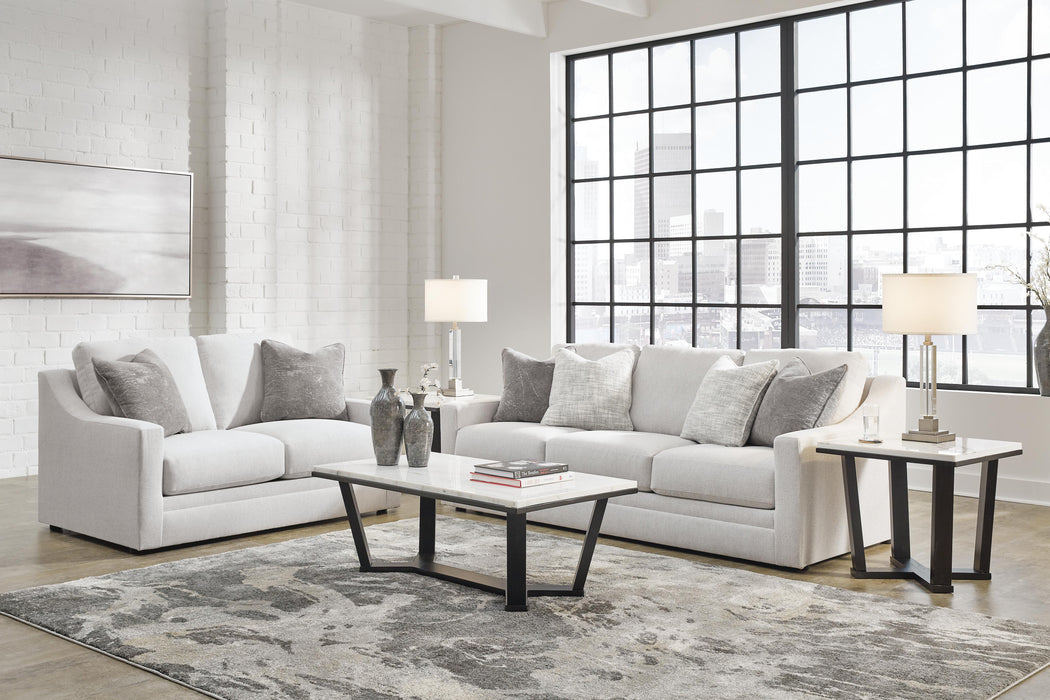
Layout Principles That Make Seating Feel Relaxed, Not Crowded
Even the best sofa and chairs can feel uncomfortable if the furniture layout is cramped, too spread out, or blocks natural pathways. A living room layout that flows well makes seating feel relaxed and inviting.
Key Spacing Rules:
-
Clear walkways: 30–36” behind and around seating
-
Sofa to coffee table: 16–18”
-
Main seating conversation distance: 8–9 feet maximum between opposite seats
-
Pull sofas 3–5” away from walls to avoid a claustrophobic perimeter feel
Arrange Furniture in Groups:
Group seating in a circle or semi-circle rather than a straight line against the walls. This creates a cozy seating area that fosters connection. Studies suggest poorly spaced layouts can reduce perceived comfort by up to 25% due to impeded flow.
Orient Around the Focal Point:
Position the main sofa facing the room’s focal point, TV, fireplace, large window, or statement artwork. Then arrange chairs around that anchor, either opposite the sofa or at angles that allow easy viewing of both the focal point and other people.
Divide Long Living Rooms:
In a long living room, create two zones: a main conversation or TV watching area and a secondary seating or reading nook. A reading chair with a floor lamp and a small side table can anchor the secondary zone. In a large living room, dividing the space into multiple zones with distinct seating areas can maximize comfort and functionality.
Protect Traffic Flow:
-
Avoid placing the main traffic path between the TV and the sofa
-
Don’t route pathways directly through the center of the seating circle
-
Keep the path from the front door clear and obvious
Example Layout for a 13’ x 20’ Rectangular Room:
Place the main sofa centered on the long wall, with two swivel chairs or accent chairs opposite. Add a secondary reading corner at one end with a corner chair, table lamp, and small side table. This creates distinct seating areas while maintaining good traffic flow throughout.
Room Layout for Traffic Flow: Keeping Comfort Uninterrupted
Good traffic flow is essential for a comfortable living room, especially in open floor plans where multiple activities happen at once. To maintain uninterrupted comfort, arrange furniture so that natural pathways remain clear and easy to navigate. Leave at least 30 inches of space between major furniture pieces and walkways, allowing people to move freely without bumping into corners or squeezing through tight spots.
Anchor your seating area with a rug to create a sense of cohesion, and use flexible seating options like swivel chairs or ottomans that can be moved as needed. Avoid placing furniture directly in front of doors or windows, which can disrupt both movement and sightlines. When you arrange furniture with good traffic flow in mind, your living room feels more open, relaxed, and welcoming, making it easy for everyone to enjoy the space without obstacles.
Furniture Layout for a Room with a View
If your living room boasts a beautiful view, let it shine by arranging your furniture to make the most of it. Position your main seating area, such as a sofa and coffee table, so that it faces or frames the view, allowing you and your guests to enjoy the scenery while relaxing. Opt for a low-profile sofa or sectional to avoid blocking windows or sightlines, and use accent chairs or ottomans to create a cozy seating area that feels connected to the outdoors.
A console table or side table placed behind the sofa can add surface space for lamps or décor, while also creating a sense of depth in the room. This thoughtful furniture layout not only highlights the view but also ensures your living room remains comfortable and functional, blending indoor comfort with the beauty of the outside world.
Comfortable Furniture Choices for Different Room Sizes
Room size and shape strongly affect which furniture pieces and layouts will actually feel comfortable to sit in and move around. What works in a spacious room will overwhelm a small space, and what fits a small living room will look lost in a larger space.
In some layouts, especially open or larger rooms, it's important to consider how to define a dining space alongside the living area to create distinct zones and maintain both comfort and functionality.
The following sections break down furniture recommendations by room dimensions, keeping focus on seating comfort, legroom, reach to tables, and sightlines, rather than just how much furniture can technically fit.
Small Living Rooms (Up to About 11’ x 13’)
-
Choose a slim two or three-seat sofa under about 80” wide, with visible legs to keep the room feeling lighter and more open
-
Select one excellent lounge or accent chair instead of two, maintaining walkways of at least 24–30.”
-
Use a round coffee table 30–34” wide to ease circulation and reduce sharp corners
-
Keep 14–16” spacing from the sofa if the room is very tight
-
Consider wall-mounted shelves or a narrow console table instead of bulky side tables to preserve floor space
-
Pull the sofa slightly away from the wall (even 6–8”) to avoid a cramped, corridor-like space feel
Example: In a 10’ x 12’ room, pair a 72” sofa, one chair, and a 30” round coffee table for comfortable everyday seating with enough room to move freely.
Medium Living Rooms (Roughly 12’ x 16’ to 14’ x 18’)
-
Use a standard three-seat sofa (84–90”) or a modest L-shaped sectional with one chaise for flexible comfort
-
Add two supportive chairs opposite or angled from the sofa to create a full conversation group
-
Use a 40–48” coffee table or ottoman centered between the sofa and chairs, plus at least two side tables
-
Place a console table or shallow cabinet along a wall behind the sofa or under the TV for storage and lamp placement
-
Maintain at least 30–36” of open space along one main pathway
Example Layout for a 13’ x 18’ Living Room:
Arrange a sofa, two accent chairs, a coffee table, and an ottoman to allow six comfortable seats. Position the sofa facing the TV with chairs angled toward both the screen and sofa for conversation. Place side tables between the sofa and chairs, ensuring every seat has a surface within reach.
Large Living Rooms (Around 15’ x 20’ and Up)
-
Create multiple seating clusters rather than one oversized, spread-out arrangement
-
Use two sofas facing each other, or one large sectional plus two or three chairs, to create an intimate central zone
-
Add a secondary seating area, two chairs, and a side table near a window, fireplace, or bookshelf, as a quiet reading or conversation spot
-
Use one or more large rugs that fully contain each seating group (front legs or entire pieces on the rug) to anchor and visually pull seats closer
-
Pull seating away from walls and float it around a central coffee table to keep conversation distances under 9.’
Example for a 16’ x 22’ Room:
Create a U-shaped seating group with a sectional on one side, a sofa facing it opposite, and two chairs at the ends. Arrange everything around a generous coffee table in the center. Add a secondary reading area with a single chair and a floor lamp near a French door or a large window.

Textiles and Soft Layers That Make Seats Feel Cozier
Rugs, cushions, and throws can significantly increase how comfortable a seat feels without replacing any major furniture pieces. These soft layers add warmth, texture, and that inviting quality that makes people want to stay.
Area Rug Sizing:
-
The rug should extend under at least the front legs of both the sofa and the chairs
-
This prevents chairs from wobbling on uneven surfaces and keeps feet on a warm surface
-
In a medium living room, an 8’ x 10’ rug typically works; larger rooms may need 9’ x 12’ or multiple rugs
Throw Pillows for Support:
-
Use 2–4 cushions on a standard sofa
-
Include at least one lumbar pillow per regular sitter to support lower backs on deep seating
-
Choose durable, comfortable fabrics like cotton, linen blends, or soft synthetics with removable covers for easy cleaning
-
Performance fabrics resist stains and work well for high-traffic homes
Throws for Warmth:
-
Keep 1–2 throws within reach of seating (draped over an arm or in a nearby basket)
-
Natural fibers or textured weaves like velvet or boucle add luxury and tactile comfort
-
Rich textures evoke warmth and intimacy, contributing to psychological comfort
Avoid Overloading:
Layer textures, but don’t fill seats with so many pillows that people must remove them every time they sit down. The goal is comfort, not decoration that creates obstacles.
Lighting and Small Tweaks That Improve Seating Comfort
Good lighting and a few layout adjustments can make existing seating feel significantly more comfortable, without buying any new major furniture pieces.
The Lighting Triangle:
Create three light sources in your living room:
-
One overhead or ceiling light for general illumination
-
One floor lamp near the sofa for task lighting and ambiance
-
One table lamp beside a reading chair for focused light
Bulb Selection:
-
Warm white bulbs around 2700K–3000K create a relaxed atmosphere
-
Install dimmers so brightness can be adjusted for movie nights versus reading sessions
-
Avoid harsh overhead lighting as the only source; it creates shadows and eye strain
Floor Lamp Placement:
Position floor lamps behind or beside chairs and sofas so people can read without shadows falling across pages or screens. A floor lamp over the shoulder of a reading chair dramatically improves comfort for books and magazines.
Quick Layout Tweaks:
-
Gently angle chairs facing each other rather than straight ahead for more natural conversation
-
Pull the coffee table slightly closer if people are leaning too far to reach drinks
-
Rotate an ottoman to better line up with the most-used seat
-
Ensure walkways (about 30–36” wide) stay clear of low stools and side tables that become tripping hazards in low light
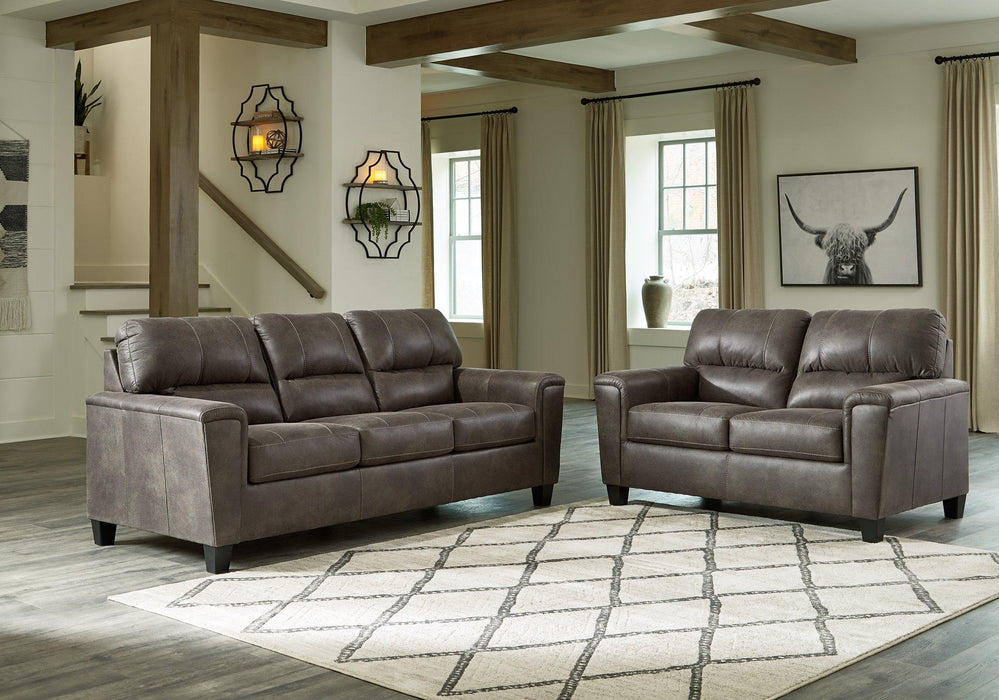
Creating a Sense of Calm with Your Furniture Choices
A calm, serene living room starts with intentional furniture choices and thoughtful arrangement. Choose a neutral color palette and natural materials like wood or stone to set a soothing tone. Layer in plush throw pillows and soft blankets to add warmth and texture, making each seat feel inviting. Incorporate plants or fresh flowers to bring a touch of nature indoors, enhancing the peaceful atmosphere.
Arrange furniture to promote easy flow and connection, avoiding clutter or overly busy patterns that can create visual noise. Select furniture pieces that feel harmonious together, and use accessories sparingly to maintain a sense of order. By prioritizing calm and comfort in your living room furniture selection and arrangement, you’ll create a welcoming retreat where you can truly unwind.
Step-by-Step: Refresh Your Living Room for Better Everyday Seating
Ready to improve your living room furniture collection? Follow this practical action plan over a weekend or several days to systematically upgrade your seating comfort.
Step 1: Measure Your Room. Record the length, width, and any alcoves or awkward angles. Note the locations of doors, windows, outlets, and any permanent features like fireplaces.
Step 2: Confirm Your Focal Point. Decide what the room centers on: a TV, a fireplace, a large window, or a piece of art. All seating should orient toward or around this anchor.
Step 3: Count Comfortable Seats Needed. Determine how many people regularly use the room. Plan for one truly comfortable seat per person, not just maximum capacity.
Step 4: Evaluate or Select Your Sofa. If keeping your current sofa, assess whether it supports good posture for your typical use. If shopping, apply the measurements from this guide (21–24” seat depth, 17–19” height).
Step 5: Add or Reposition Chairs. Ensure at least one alternative seating option exists. Position chairs within 8–9 feet of the sofa for comfortable conversation.
Step 6: Set Coffee and Side Tables. Place the coffee table 16–18” from the sofa. Confirm every seat has a surface within arm’s reach for drinks and books.
Step 7: Refine with Textiles and Lighting. Add throw pillows for lumbar support, a rug to anchor the seating group, and adjust lighting to eliminate shadows on reading areas.
Test Each Seat:
After changes, sit in each position for at least 10 minutes. Ask yourself:
-
Is there a place to put a drink?
-
Is my back supported?
-
Can I see the TV or the focal point without straining?
-
Is there enough room to stretch my legs?
Make changes in small stages, move furniture first, then add accessories, so you can feel the difference at each step.
Conclusion: Build a Living Room You Love to Sit In
Comfortable living room seating comes from a combination of the right sofa, supportive chairs, smart table placement, and thoughtful spacing. When these elements work together, your living space becomes a welcoming environment where people naturally gather, relax, and stay for hours.
Key Numbers to Remember:
-
Seat heights: 17–19” from floor to cushion
-
Seat depths: 21–24” for everyday upright use
-
Sofa to coffee table distance: 16–18”
-
Conversation distance: 8–9 feet maximum between opposite seats
-
Clear walkways: 30–36”
Start with one improvement today. Maybe that’s adding a single supportive reading chair, pulling your seating into a closer conversation circle, or finally replacing throw pillows that have lost their support. You don’t need a complete redesign to make your living room seating more comfortable; you just need to apply the right furniture placement principles with intention.
The best living rooms aren’t showpieces. They’re rooms where the seating options invite you to sit down, where comfortable seating keeps you there, and where the furniture arrangement makes every activity, from TV watching to quiet reading, feel effortless.
Get Your Living Room Furniture at Abundant Home Collections Today
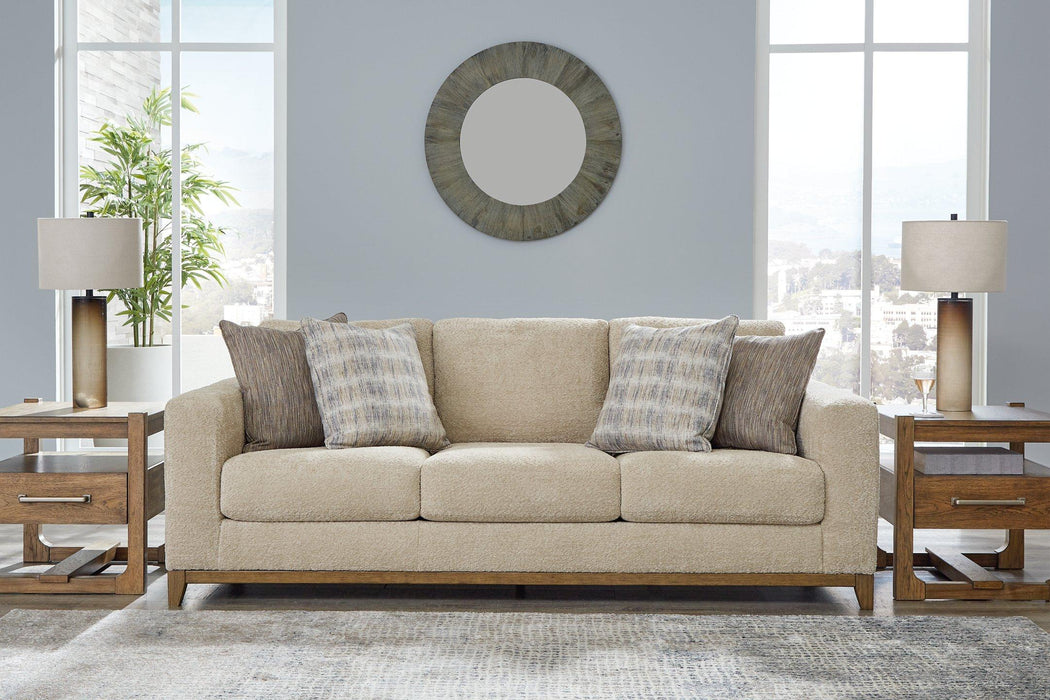
Your living room is where comfort, style, and everyday moments come together. At Abundant Home Collections, our living room furniture selection includes sofas, sectionals, chairs, and accent pieces designed to fit your space and lifestyle. Each piece is chosen for comfort, durability, and lasting quality, helping you create a welcoming and functional living area.
Explore our living room furniture collection today and find the perfect pieces to refresh your home. Whether you’re updating a single item or furnishing the entire room, Abundant Home Collections offers options that combine practicality, comfort, and timeless style.
Leave a comment